How Sudan’s shift to drone warfare is fuelling a civilian crisis
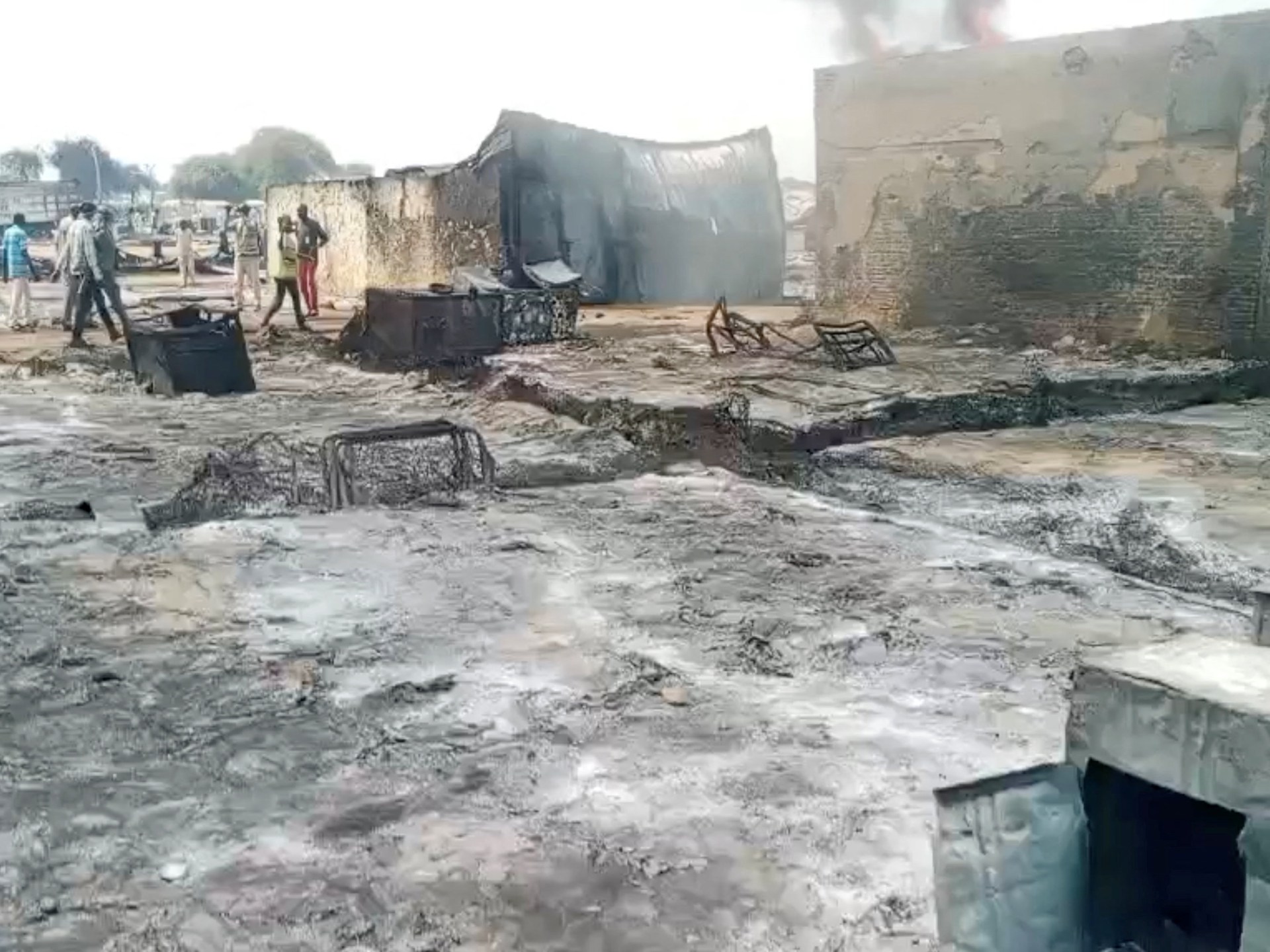
As Sudan’s warring factions escalate deadly unmanned aerial strikes, hundreds of civilians are caught in the crossfire. Save Share In the Imtidad Nasser neighbourhood east of Sudan’s capital Khartoum, residents are grappling with a terrifying new reality of skies filled with drones. “We heard the buzz of drones in the sky, but did not pay attention to it at first,” Ahmed Abdel Hamid, a resident of the area, told Al Jazeera about a recent drone attack by the Rapid Support Forces (RSF). Then, anti-aircraft fire and two huge explosions shook the area, killing three children from a family in the community. A devastating wave of drone attacks across Sudan haskilled more than 160 peoplein recent days, marking a lethal evolution in the conflict between competing military forces which began in April 2023. A rise in the use of unmanned aerial vehicles (UAVs) by the Sudanese Armed Forces (SAF) and the paramilitary RSF has pushed the war deep into residential neighbourhoods, driven by shifting battlefield motives and a mutual desire to exhaust the opponent. The use of drones is a relatively new development in the brutal civil war, which is now in its fourth year and has killed at least 59,000 people, according to conflict monitor ACLED. Some 14 million people have been displaced from their homes, with 4.5 million fleeing the country. In the meantime, the SAF and the RSF have continued to vie for control of different parts of the country, mostly through ground invasions and fighting – and often at the cost of civilians. The massacre in el-Fasher in the west of the country last year – described by Amnesty International as “ethnic cleansing” – propelled the crisis to international headlines. RSF fighters murdered tens of thousands of inhabitants of the city after holding it under siege for 18 months and then capturing it – at the time the last SAF stronghold in the Darfur region. Now, the intensified reliance on drones by both sides reflects a deliberate shift towards long-range, preemptive operations. For the SAF, drones offer a crucial tool to navigate complex geography and neutralise RSF advantages. Military expert Abu Bakr Abdel Rahim said the army’s main motive for escalating drone strikes deep inside the Darfur and Kordofan regions is “targeting command and control centres, fuel and ammunition depots, and main supply routes, especially those linked to the borders with Libya, Chad and South Sudan”. Geography plays a pivotal role in this strategy....