Southeast Asia’s toxic haze spurs calls for legal action against polluters
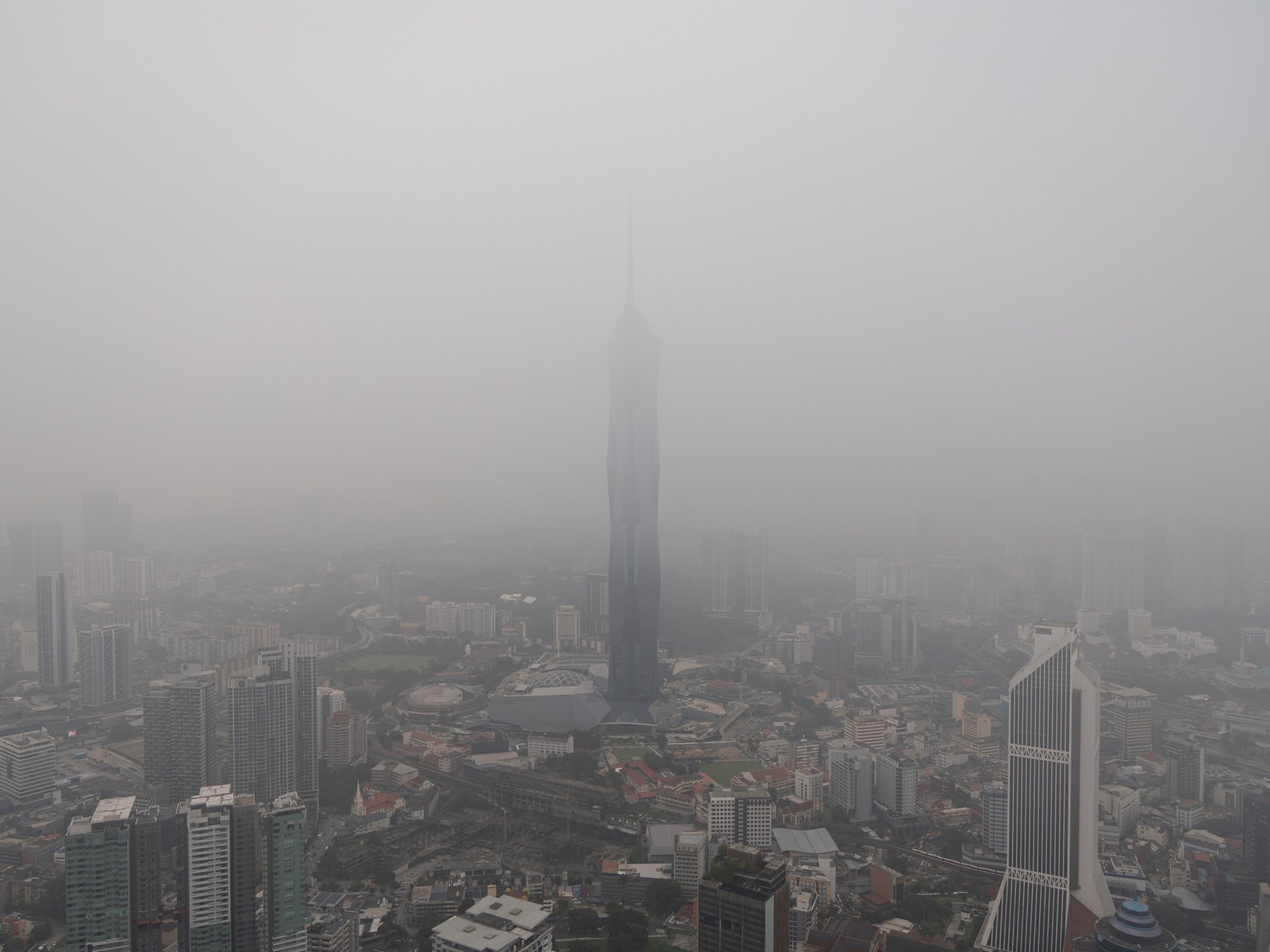
ASEAN’s consensus-driven approach and a lack of enforcement mechanisms make legal action difficult, experts say. Save Share Kuala Lumpur, Malaysia –As toxic haze from Indonesia’s worst wildfires in a decade clouded skies across Malaysia and Singapore over the past two months, a growing clamour of voices has demanded legal accountability. In theory, a patchwork of domestic and international laws makes it possible for Southeast Asian governments to hold polluters responsible for cross-border haze, most of which has been blamed on land clearing by Indonesian palm oil plantation owners. In practice, sensitivities around national sovereignty, a lack of enforcement mechanisms, and the practical challenges of evidence collection make legal action difficult, if not infeasible. On paper, Southeast Asian countries are committed to working together to prevent cross-border air pollution under the ASEAN Agreement on Transboundary Haze Pollution, signed in 2002. The legally binding treaty commits the 11 members of the Association of Southeast Asian Nations (ASEAN) to tackle haze, a recurring issue for decades, through “concerted national efforts and intensified regional and international co-operation”. However, the agreement does not contain provisions for enforcement by a judicial body such as the International Court of Justice, which requires all parties to consent to its jurisdiction, and disagreements over interpretation and application can only be settled through negotiation. Implementation of the treaty has also moved at a snail’s pace. The treaty’s coordinating office, located in the Indonesian capital, Jakarta, only opened this April, nearly a quarter-century after it was envisioned. “For decades, the response to haze has largely focused on diplomatic engagement, emergency firefighting, and measures to protect public health,” Heng Kiah Chun, a regional campaign strategist for Greenpeace Southeast Asia, told Al Jazeera. “While these efforts are necessary, they have not sufficiently addressed the underlying causes, including forest and peatland destruction, unsustainable land-use practices and inadequate corporate accountability,” Chun said....