Why social media has become an election issue in Brazil’s presidential race
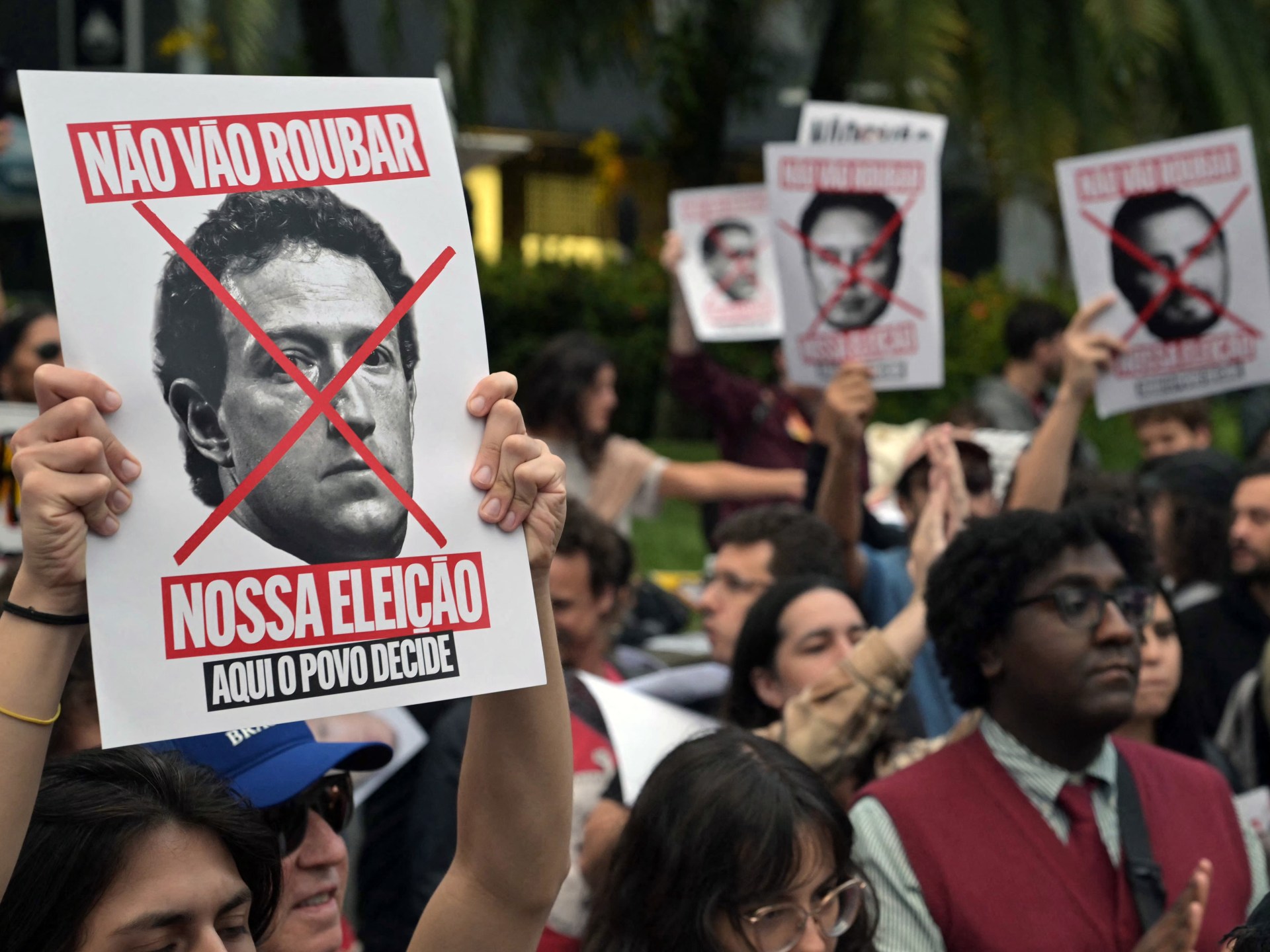
Critics have accused the tech giant Meta of censoring the political campaign of President Lula and favouring Bolsonaro. Save Share In the race to be Brazil’s next president, the final two candidates are appealing to voters not only at rallies but online as well. On Sunday, incumbent President Luiz Inacio Lula da Silva will face right-wing Senator Flavio Bolsonaro in the final round of the election. The race is expected to be tight. But in its final days, questions have festered over whether the digital arena has been a level playing field for the two candidates. The social media giant Meta, which owns Facebook, WhatsApp and Instagram, has faced accusations before Brazil’s top election authority, the Superior Electoral Court (TSE), that it suppressed Lula’s content and favoured material promoting Bolsonaro. Meta’s products rank among the most popular social media platforms in Brazil, and political ad spending on its sites has grown at a breakneck pace. An analysis from the Brazilian news outlet G1 found that Meta received at least 288m Brazilian reais ($57m) in direct campaign spending in 2026, double what it received during the 2022 presidential race. That increase marks a shift in how Brazil runs elections. More than 76 percent of Brazilian voters now get their news online, said Andre K Rodarte, a researcher at the Digital Democracy Centre at the University of Southern Denmark. With social media eclipsing traditional advertising, Rodarte explained that a growing class of politicians is using provocative, viral messaging to connect with voters. He pointed to the success of online influencers like right-wing personality Nikolas Ferreira and left-wing activist Erika Hilton, who each were reelected this year to Brazil’s Chamber of Deputies with record numbers of votes. “You are seeing people transitioning from information-producer roles to politics, and they are just getting more and more power, more and more votes,” Rodarte told Al Jazeera. “If this is the media landscape they are dealing with, it’s unlikely they will adopt a different campaign style, or different style of politics.” But critics warn that this shift to online campaigning has put political hopefuls at the mercy of Big Tech corporations and their biases....