The right to enforce civil rights is under attack in the US
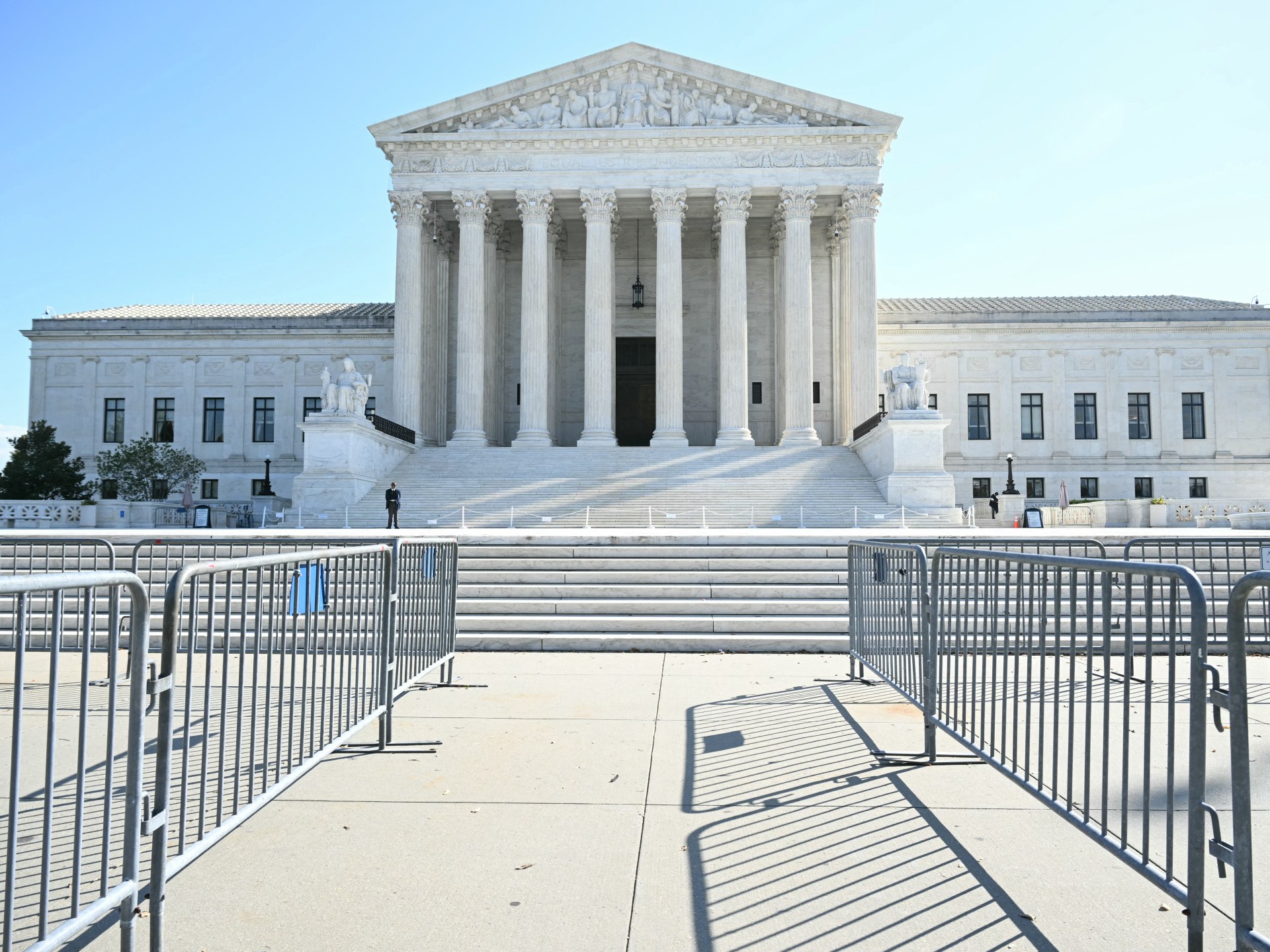
The Trump administration and conservative courts are restricting the ability of individuals and advocacy groups to challenge rights violations. Lecturer in Government at Harvard University and lecturer in Social Sciences at Boston University. Save Share This autumn, the Supreme Court will consider a question with potentially far-reaching consequences for civil rights in the United States: Who gets to enforce them? On November 30, the justices will hear a case over whether employees of federally funded universities can sue under Title IX over alleged workplace sex discrimination. The Trump administration has urged the court to rule that they cannot, arguing that Congress never gave university employees a private right to bring such claims. The dispute is the latest front in a broader legal push to restrict the ability of individuals and advocacy groups to take rights violations to court themselves. In June, the Supreme Court declined to hear a challenge to a federal appeals court ruling that barred Arkansas United, an immigrant advocacy organisation,from suing to enforce protections for voters who need assistance at the polls. Across a growing number of cases, Republican-led states and the Trump administration are advancing the same basic principle: Unless Congress has clearly authorised private citizens to sue, enforcement should largely be left to the government. That may sound like an arcane legal argument, but its implications are anything but. If individuals and civil rights groups cannot go to court when laws protecting them are violated, the power to decide which rights are actually enforced increasingly rests with the very government that may be violating, ignoring or choosing not to enforce them. A private right of action allows individuals, or groups acting on their behalf, to file lawsuits to enforce rights protected by law. These lawsuits can seek compliance with the law or compensation for past violations. Private rights of action are not automatic under US federal and state law. Congress and state legislatures sometimes explicitly authorise private lawsuits. Where they have not, courts have had to determine whether a law implicitly allows individuals or groups to sue, or whether enforcement rests solely with government authorities. In practice, private litigation has been an essential part of enforcing rights throughout much of US history....