Why do the US midterms matter for Trump and Congress?
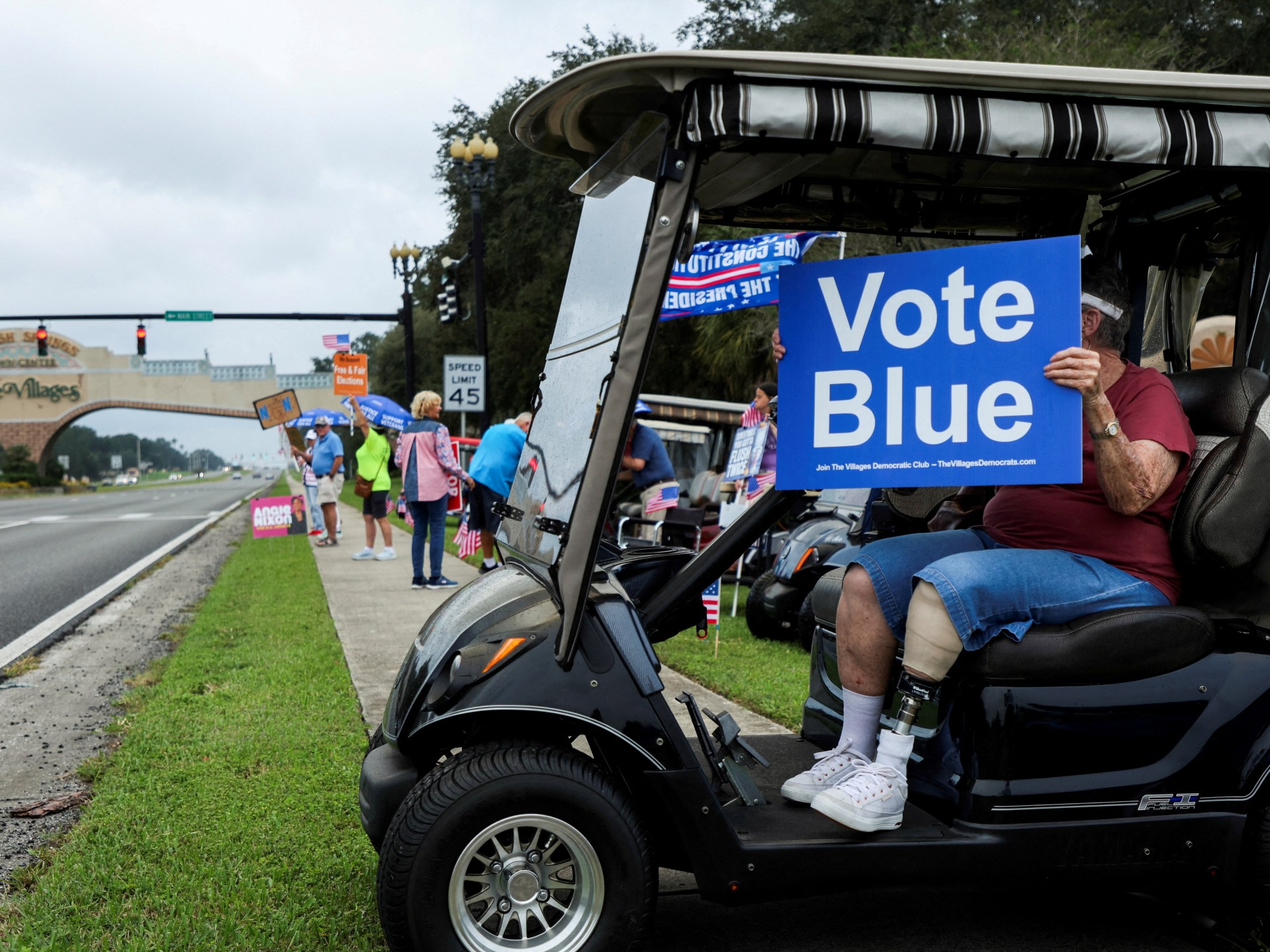
Republicans and Democrats jockey for control of Congress, which will set course for Trump’s final two years in office. Save Share The United Statesmidtermson November 3 are dominating national and international headlines. The stakes of the election are high. The midterm race will determine which party controls the US Congress, and in turn, shape the direction of Trump’sfinal two yearsin office. It will also decide key state and local positions. But notching big wins in the midterm election may not be enough to shake up the balance of power in Washington, DC. To understand the implications of this year’s midterm election and what may come next, Al Jazeera has put together this simple primer. Here’s why the US midterms matter at the federal level. Midterm elections fall at the halfway point of a president’s term, meaning the executive office will not be on the ballot. Front and centre will be the battle for control of Congress. Two chambers make up the US legislature: the House of Representatives and the Senate. Because members of the House serve two-year terms, all 435 seats in the chamber are up for election on November 3. However, most races are already considered formalities, with a clear frontrunner. That leaves only a handful of races — about 50 — to decide who will win the House majority. While subject to change, nearly every reputable election prognosticator has predicted that Democrats will win control of the House, some by as many as 15 seats. The Democrats have a slimmer chance of winning a majority in the Senate, however. That chamber has only 100 seats. But because senators have staggered six-year terms, only 35 seats are up for election. Only about a dozen of those races are considered competitive. Still, Democrats have seen their odds of seizing the Senate increase, as the number of competitive races has grown. Left-wing candidates have made inroads in deep-red states like Texas and Kansas, creating more opportunities for the Democratic Party to claim a Senate majority this election cycle. Because the US vice president breaks ties in the Senate, Democrats would need 51 seats to control the chamber. Congress passes laws and approves federal budgets. But even if a party secures a majority in both chambers of Congress, it may not be enough to control the country’s legislative agenda. Laws can pass by a simple majority in the House, but they typically need a supermajority of 60 votes in the Senate to overcome a process known as thefilibuster....