The human cost of surging US air strikes in Somalia
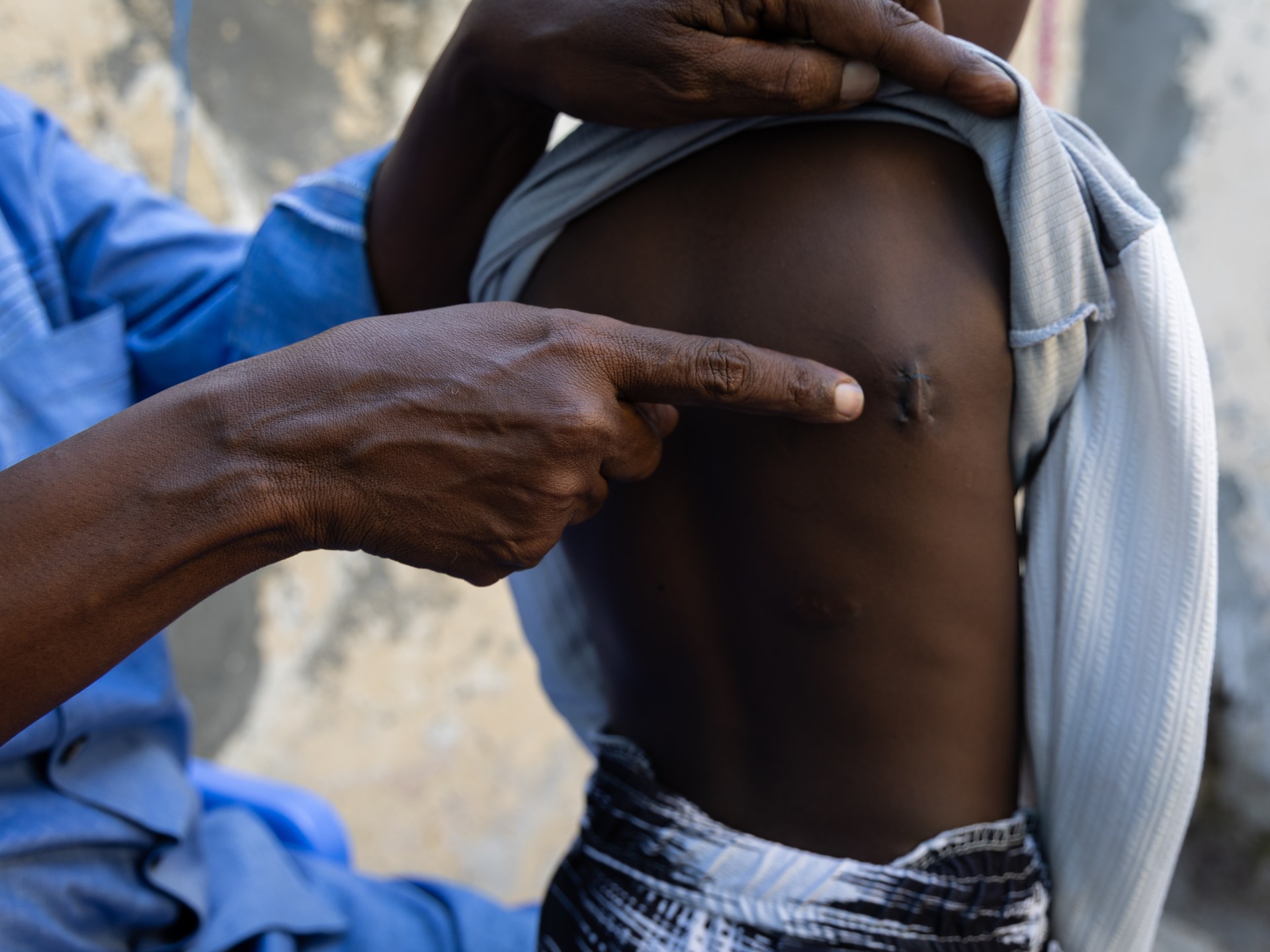
Families recount deaths, injuries and displacement as Trump accelerates US strikes against armed groups in Somalia. Save Share Mogadishu, Somalia –Nearly a year after a suspected US strike in southern Somalia left shrapnel embedded in her son’s body, Maryam Haji Abdi Guled still feels compelled to accompany him to school. She fears another child might push him while playing, disturbing a fragment of metal lodged near his hip. Doctors have warned that removing it could leave him paralysed. “I hold his hand, take him to school, and I bring him back myself. I watch over him,” she told Al Jazeera. Her son, Abdiqadir Salah, was seven when he was injured during a November 2025military offensive involvingUnited States air strikes and Somali ground forces around Jamaame, in Somalia’s southern Jubaland state. Maryam is among several survivors interviewed by Al Jazeera in recent months who say family members were killed or seriously injured during the offensive. Their accounts describe deaths, displacement, lost livelihoods and injuries that continue to shape their lives. Their testimonies come as US air operations against armed rebel groups in Somalia haveintensified sharplyunder President Donald Trump. Public records from the US Africa Command (AFRICOM) listed 84 strikes in Somalia through September 2026, while the New America Foundation, which independently tracks the campaign, documented 88 over the same period. The US military has acknowledged conductingair strikes in the areaon November 14 and 15, 2025. But it disputes allegations that its aircraft caused civilian casualties. AFRICOM told Al Jazeera it had completed an assessment of reports that US operations killed between 10 and 12 civilians and destroyed homes and businesses in Jamaame. It concluded that the information reviewed did not meet the military’s “more likely than not” threshold for determining that US air strikes had caused the reported harm. That finding does not establish that US strikes caused no harm. Rather, AFRICOM said the evidence did not establish that US operations were more likely than not to have caused the reported casualties and damage. Al Jazeera asked whether investigators had spoken to survivors, relatives of those killed, hospital staff, local authorities or other witnesses. AFRICOM did not say whether they had done so. The command said the assessment could be reopened if new information emerged that might change its findings....