Famine fears as aid cuts and shipment restrictions coincide in Gaza
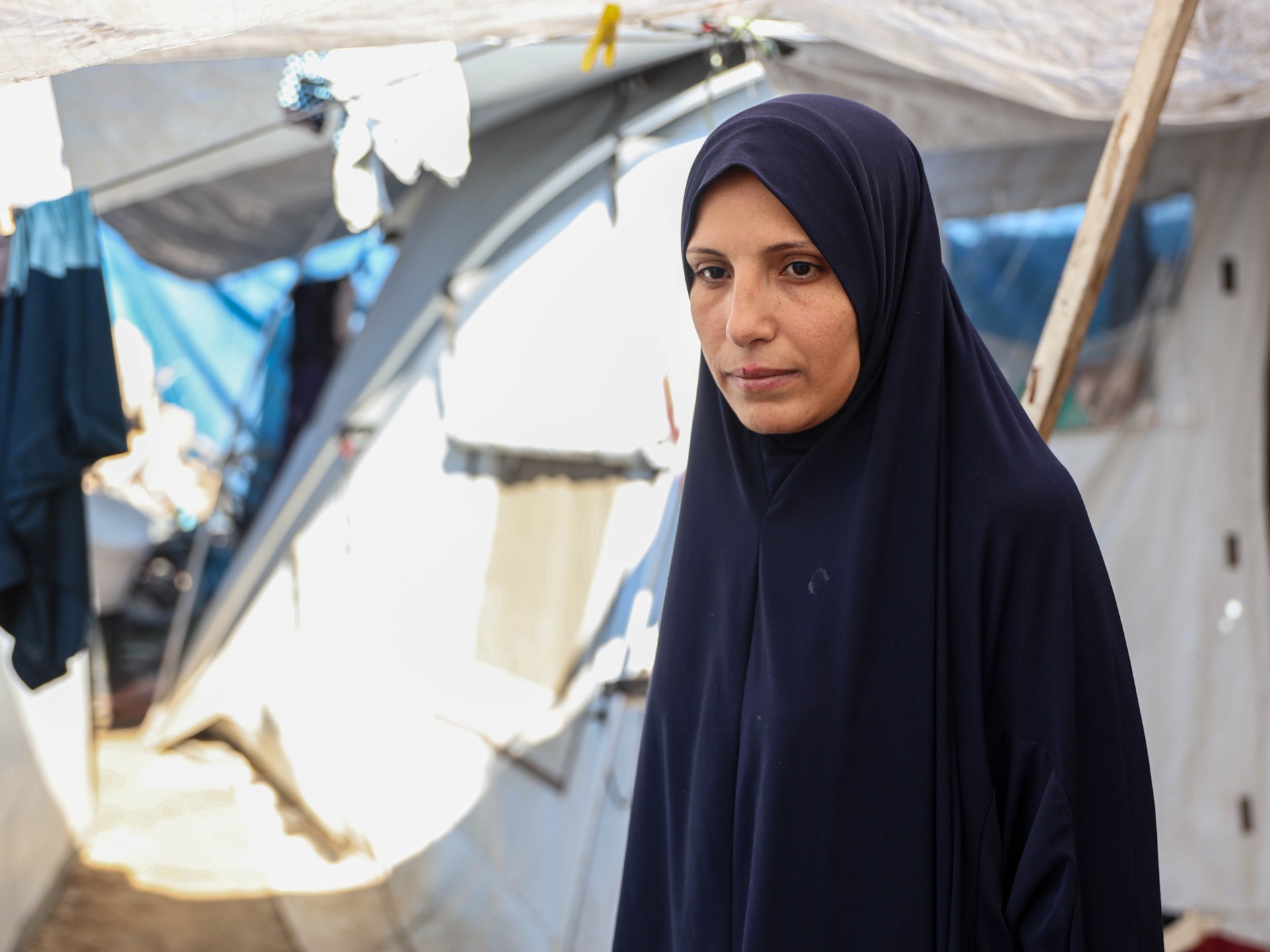
Displaced families in Gaza fear worsening food insecurity as planned aid cuts coincide with continued restrictions on commercial shipments entering the territory. Save Share Deir el-Balah, Gaza Strip —Manal Abu Rabie, a displaced mother of six from Beit Lahiya in northern Gaza, received news that the World Food Programme (WFP) was cutting food assistance to the enclave with fear about what is to follow in the coming days. Gaza has suffered from severe shortages of key staples such as eggs, flour and onions after Israel closed border crossings into the enclave on Wednesday. The prices of food and other essentials have skyrocketed, and families who can afford to do so have been bulk buying, in anticipation of a prolonged blockade. After the WFP announced cuts to food aid, the price of a bundle of bread rose from 5 to 12 shekels (around $1.60 to $3.90). Abu Rabie has already been struggling to provide food for her family and says she has little to fall back on if the support she needs is reduced after the announcement of aid cuts. “We were just beginning to say, ‘Thank God,’ and now they want to cut off our food and drink,” she said. “We are going back to starvation. We are dying of hunger.” On Monday, the WFP announced that a funding shortfall had forced it to reduce the number of people receiving monthly food assistance in Gaza from 1.6 million to 1.1 million, leaving around 500,000 people without support. The agency is also halving food rations, meaning families receiving assistance will get one food parcel instead of two, alongside a smaller bag of wheat flour. The number of hot meals provided daily will fall from 250,000 to 150,000, while cash assistance will be reduced for 75,000 families. The WFP said the cuts were driven by a lack of funding, despite continued humanitarian needs. The suspension of aid shipments into Gaza for a sixth consecutive day, which is a separate development, has added to uncertainty about the availability and affordability of food, fuel and medicine. Abu Rabie, 39, who lives in al-Salam camp in Deir el-Balah, central Gaza, relies on food assistance, including parcels containing lentils, rice, flour and cooking oil. Her family is already struggling to afford basic food items as prices rise, with a small bottle of cooking oil, which is included in WFP food parcels, now costing 10 shekels ($3.20), is beyond her means. “It is very difficult. I cannot afford to buy anything,” she said....