Al Jazeera investigation challenges Israeli account of Heidi Levine attack
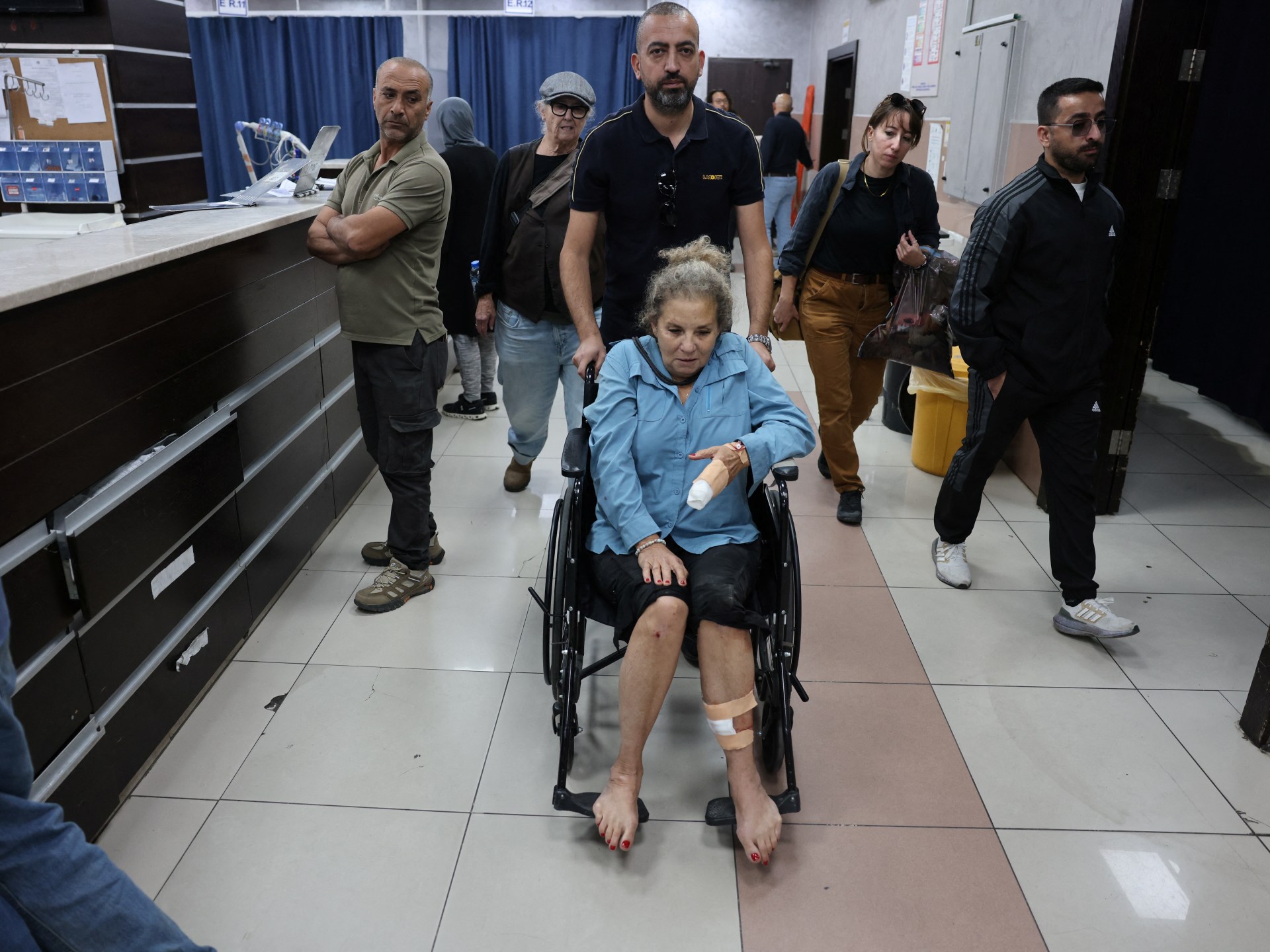
The investigation has exposed how Israeli forces present at the site of the attack chose not to intervene, and instead fired tear gas at Palestinian youth who had helped save Levine. Save Share An Al Jazeera investigation has challenged official Israeli narratives regarding an attack by settlers on Palestinian olive harvesters and an American photojournalist on Friday in Khirbet Abu Falah, northeast of Ramallah in the occupied West Bank. The investigation by Al Jazeera’s Data Journalism Unit used open-source verification and analysis of visual and geographic evidence. Official Israeli accounts of what happened differ: Prime Minister Benjamin Netanyahu’s office has questioned whether Israeli settlers were to blame at all, while the Israeli army has suggested that the military was engaged in addressing a confrontation between Palestinians and settlers at the time. But verified footage and mapped coordinates reveal a coordinated attack by masked settlers, with Israeli military vehicles passing by shortly before the incident, without intervening. The October 16 pogrom left veteran Washington Post photojournalist Heidi Levine, 63, with a broken rib, four fractured vertebrae, and wounds requiring hand surgery, despite wearing a clearly marked press vest. To establish the facts, the Data Journalism Unit monitored and analysed more than 20 videos and photos taken by journalists and witnesses on the ground. The team independently verified the footage, arranged it chronologically, communicated with local journalists, and mapped key locations. Geospatial analysis pinpoints the settler outpost where the attackers originated, the harvesting land, and the location of the assault on Levine. The attack on Levine was mapped at the coordinates 32°01’13.5″N 35°18’40.7″E. This site is approximately 455 metres southwest of an outpost on a hill near the Misholash settlement, and just 120 metres north of the land where Palestinians were picking olives. The unit also identified rooms traditionally used by Palestinians to store fertiliser and agricultural tools, and where farmers occasionally spend the night. These rooms are near the outpost, 430 and 500 metres northeast of the attack site. A local journalist, speaking on condition of anonymity due to security concerns, said that Palestinian owners can no longer enter these rooms, where settlers now stay and gather....