Losing Cuba, the global trickster
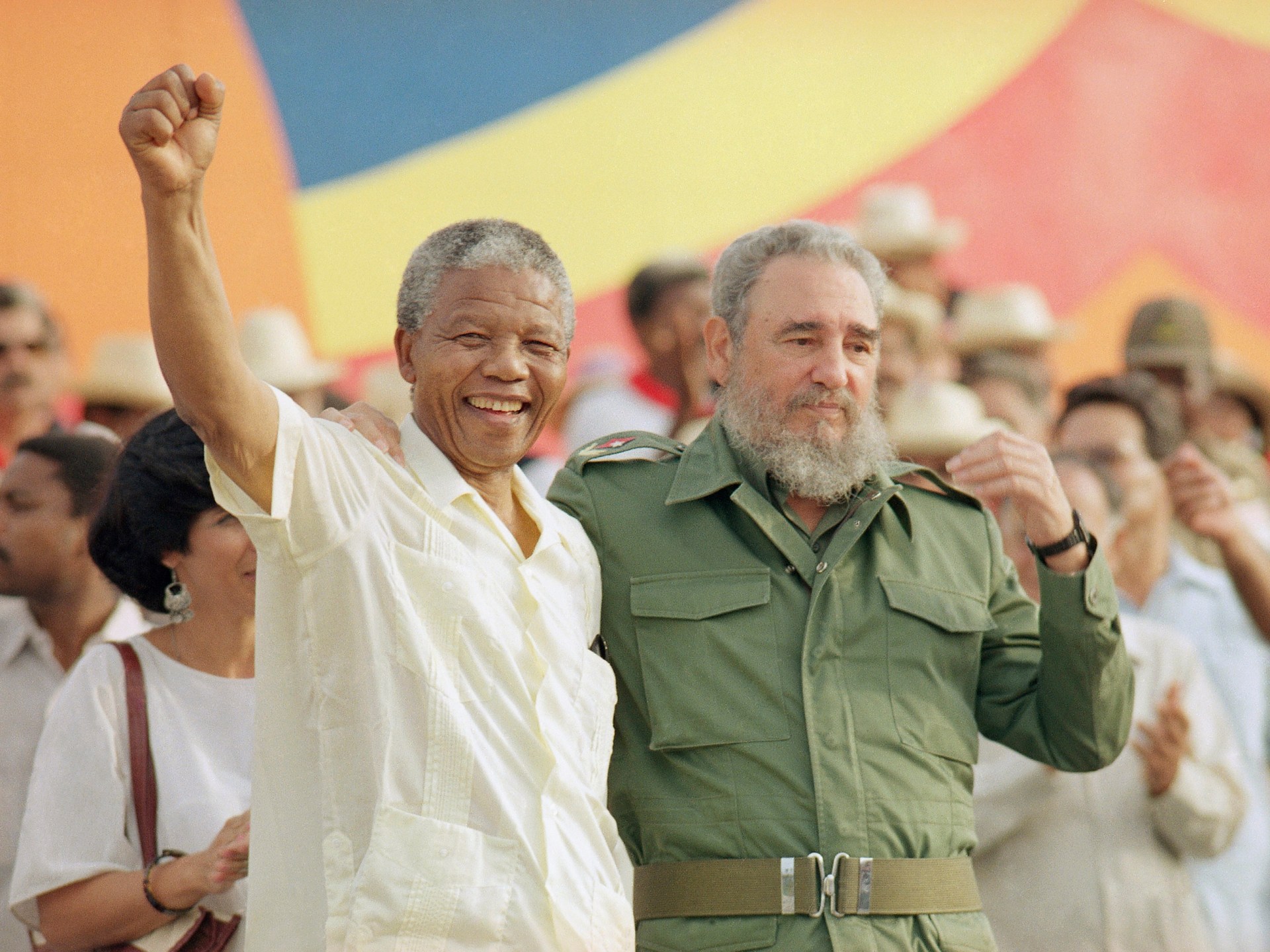
The Cuban Revolution, with all its contradictions, has given plenty to the world. Its fall will be a major loss. Lecturer at Dartmouth College. Save Share Cuba is once again in the United States’s crosshairs. Washington’s operation in Venezuela at the start of the year is largely seen to have paved the way for a similar undertaking on the Caribbean island. Recent media reports have revealed US military activity nearby while US officials have repeatedly said they want “Cuba to be free”. When and how the US may strike is still unclear. But indications are that the Cuban Revolution may be nearing its end. That is reason enough to pause and reflect on the outsized role this nation of 10 million has played on the world stage. When thinking of the Cuban presence on the global geopolitical scene, the figure of Eshu, the most powerful spirit in Cuban Santeria comes to mind. Derived from the beliefs of the Yoruba people, Eshu is a divine messenger, the guardian of the crossroads and mediator between the past and the future. In stories, Eshu is often portrayed as a mischievous elder, one whose antics are used to teach humility and morality. As a character, Eshu is a classic trickster, an archetype commonplace to many traditions that functions to challenge established norms, subvert power structures and reveal hidden truths. It’s hard to imagine a more apt analogy for Cuba than Eshu, the trickster, foil to US hegemony. At its best, trickster Cuba forced an open debate on what kind of world we might aspire to and held the empire to account, at times even pushing the US towards its better angels, however begrudgingly. At its worst, it held up an uncomfortable mirror to US power. It is a potent formula, one struck upon from the very earliest days of the revolution. In September 1960, just a year after taking Havana, Cuban leader Fidel Castro found himself visiting New York to address the United Nations General Assembly. Wary of his anti-imperialist rhetoric, a Cold War-obsessed US government put pressure on several prominent hotels to refuse service to Castro and his entourage. But the Cubans were not to be deterred. Instead, they went uptown to Harlem and founda place at the Hotel Theresa. Photographers and TV camera people flocked there. A media sensation ensued. And Castro used the opportunity to draw comparisons between the plight of the Cuban delegation and that of Black Americans being refused service in the segregated South....