Kinship and surveillance: The return of Somali piracy
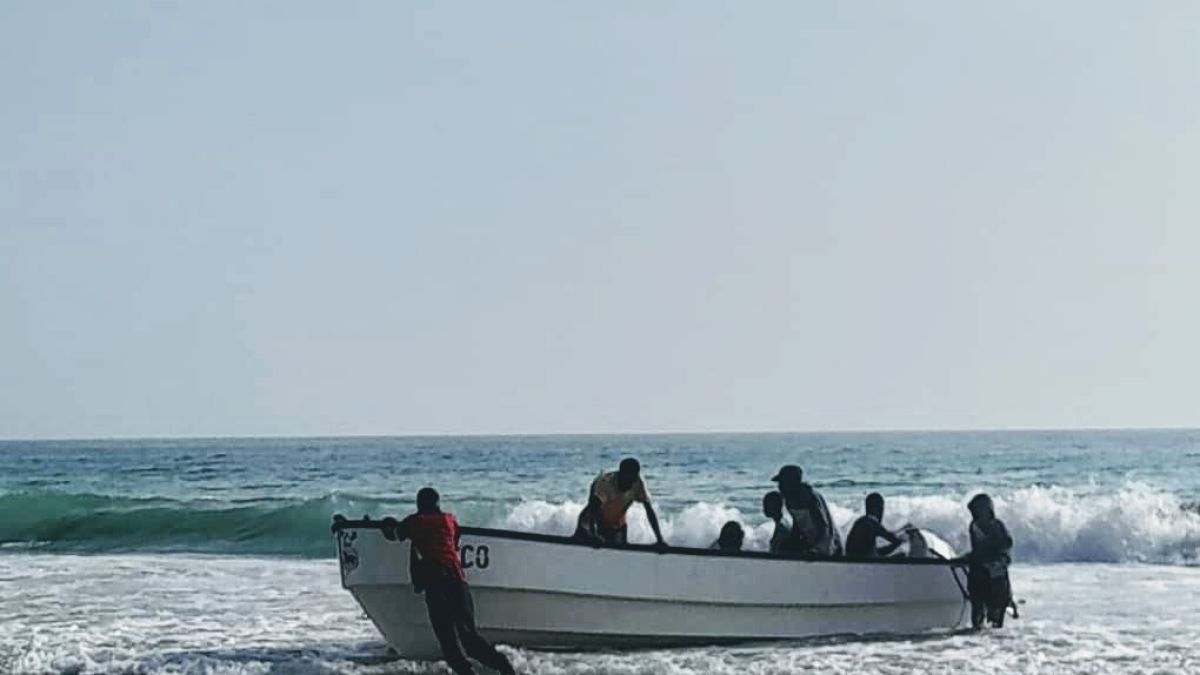
Somalia’s piracy crackdown leaves coastal fishermen struggling to survive. Save Share Mogadishu, Somalia –The fishing town of Bander Beyla, on Somalia’s Puntland coast, has become a focal point of the renewed piracy crisis. But beyond the hijackings and international security operations, residents are struggling to protect their livelihoods as fishing restrictions, arrests and surveillance reshape daily life. Abdifatah Mohamed has spent 20 years fishing off Somalia’s coast. He began at 15, but says declining catches and foreign trawlers have made it increasingly difficult to support his family. “I don’t catch as much fish anymore, and the prospects for catching lobsters have become rare,” the 35-year-old said. “Foreign trawlers are emptying out the seas,” he added. Somalia’s central government collapsed in 1991, weakening maritime oversight and leaving its waters vulnerable to illegal fishing. Some fishermen, angered by foreign vessels exploiting the country’s resources, have turned to piracy. “We’re [fishermen] no match for the foreign trawlers, who possess capabilities far greater than us, which impacts the livelihoods of our families on land,” Mohamed said. He added, “Some from our community have taken up arms at sea, but deep down I know it’s hurting our community.” Piracy has surged off Somalia since late April 2026. The reported number of hijackings varies according to whether counts include commercial ships, fishing vessels and dhows. Several seized vessels have been held near Bander Beyla, bringing the crisis close to the town’s fishing community. In late August, local authorities restricted fishermen from going to sea amid concerns that pirates were disguising themselves as fishermen. “The local authorities gave an order the last week of August preventing us from going out at sea, which would remain in effect for two months,” Mohamed said. “Our families depend on what we catch at sea. Even though our catches [of fish] have gone down in recent years, it helped provide for our families at home. But it’s like we were being punished for crimes we have nothing to do with, and our families have suffered for it.” For fishermen, Mohamed said, going to sea has become a risk whether they obey the restrictions or defy them. “It’s a two-way risk, because if the authorities know you went out to sea, they could accuse you of piracy or even transporting supplies to the ships that were hijacked,” he noted....