Alberta independence referendum: Will separatists survive a loss?
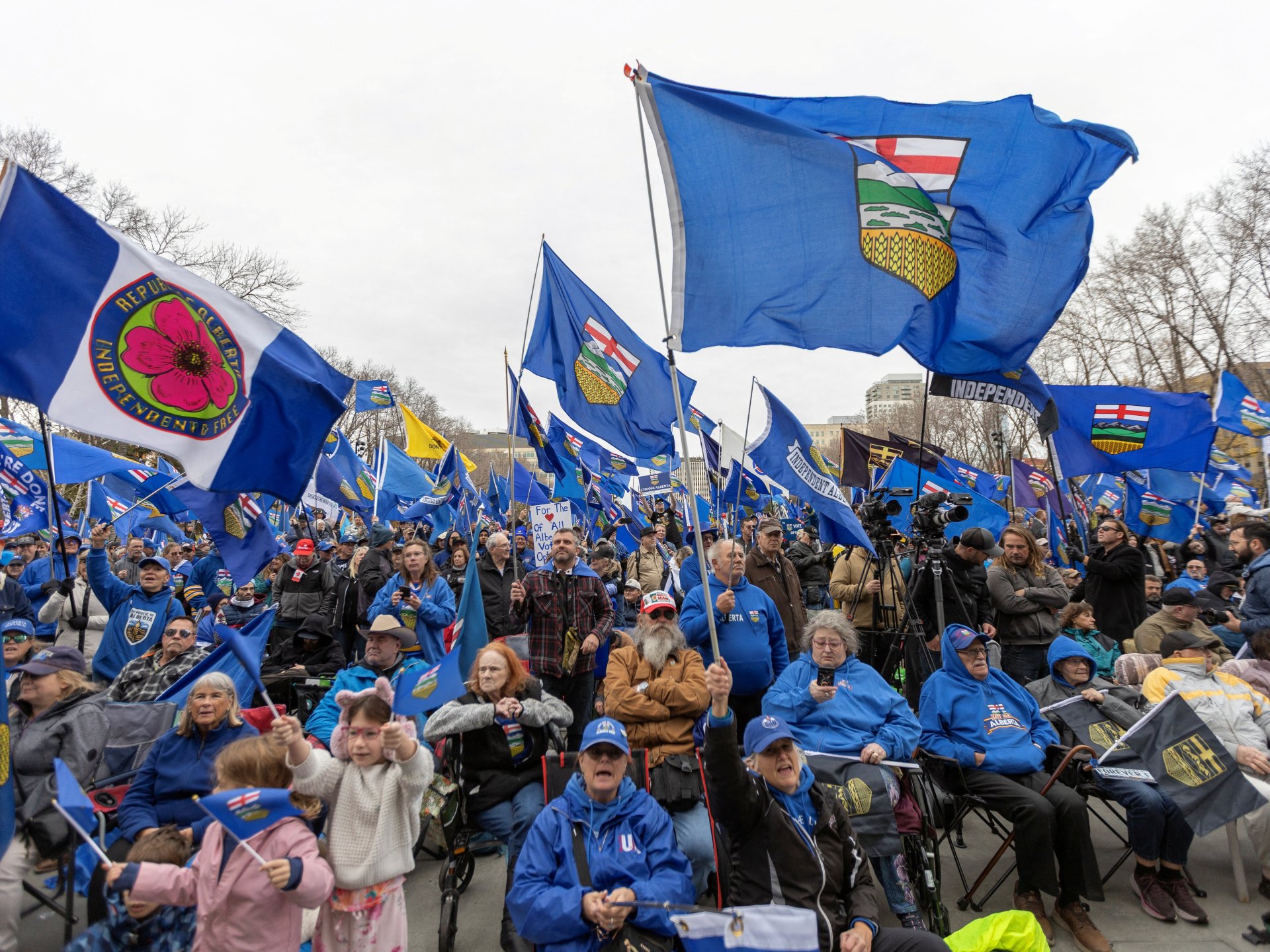
Alberta’s independence movement faces likely defeat, but history suggests losing a referendum may not end the fight. Save Share Cory Morgan has spent more than 25 years fighting for Canada’s oil-rich province of Alberta to become an independent country. On Monday, Albertans will head to the polls to vote on the issue for the very first time. But even if the answer is no, Morgan said he’s in it for the long haul. “I would respect the will of the voters,” he told Al Jazeera. “If they’ve decided it’s not time to go that route yet, then so be it. But that doesn’t mean I’ll stop.” Morgan, the founder of the advocacy organisation Pathway to Independence, is among a group of longtime separatists who have managed to push what was once a fringe idea onto the ballot. Monday’s provincial referendum asks Alberta residents to weigh whether they would like to pursue a binding resolution in the future on the question of independence. Polls indicate the pro-independence side has little chance of succeeding, with four of five people in the province saying they want Alberta to remain a part of Canada. But Morgan’s focus is on the one in five who don’t. “That’s not a movement that’s leaving,” he said. What the referendum will mean for the separatist movement and for Canada as a whole, however, is a more complicated question. Monday’s ballot gives Albertans two options: to remain part of Canada or begin the legal process for holding a future referendum on separation. A vote in favour of the second option doesn’t mean Alberta immediately becomes an independent country. Any province that tries to secede would first have to go through complex negotiations with the federal government in Ottawa, other provinces and Indigenous peoples who live in and around Alberta. Some separatist organisers have been using that distinction to encourage people to vote for the referendum — even if they don’t necessarily want independence. “Strategic separatists and their leaders have been using that ambiguity, that lower-bar threshold, to entice folks to vote not to leave, but rather to send Ottawa a message that Albertans need to be heard,” said Jared Wesley, a political science professor at the University of Alberta. He told Al Jazeera that the message may be resonating with some voters....