Food or medicine? The impossible choices facing Sudan’s chronically ill
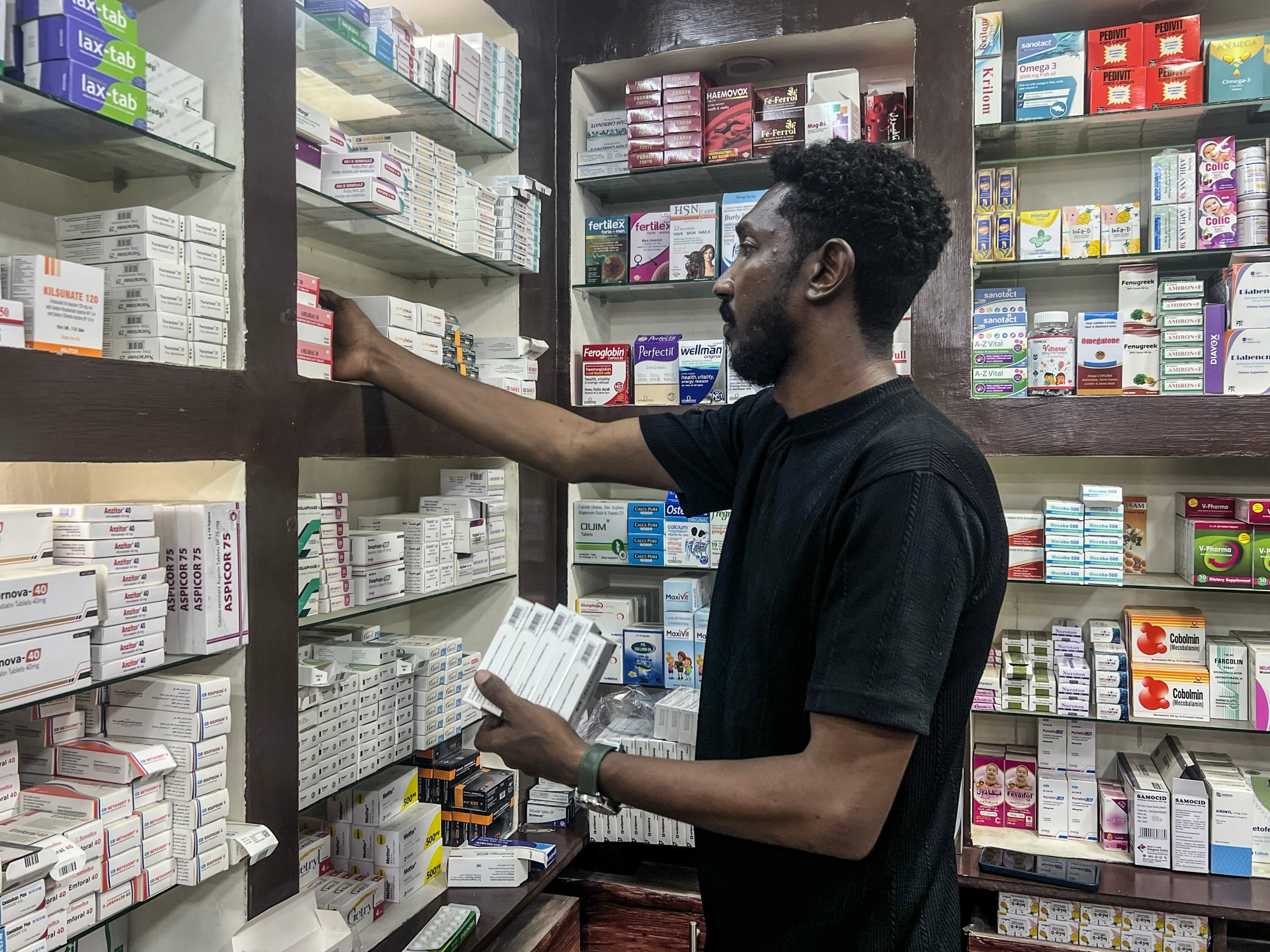
Sudanese are facing growing costs of medicine caused by the country’s civil war. Save Share Hasanat al-Rashid, 48, has lived with diabetes for 15 years, and the three-and-a-half-yearcivil warbetween Sudan’s military and the Rapid Support Forces paramilitary group has worsened her situation. Finding the treatment she needs has become a daily struggle. When the war broke out in April 2023, she was forced to flee south from her home in Haj Yousif in Khartoum North to Umm Daw Ban in Khartoum State. During her displacement, she went for days without medication and was forced to eat foods unsuitable for her condition, such asasida, a traditional Sudanese porridge. She underwent operations on her foot twice when she developed complications of diabetes, including a severe infection. She moved between hospitals in Gezira State south of Khartoum, seeking treatment in Rufaa, Wad Madani and Al-Hasahisa. When fighting spread to these areas in December 2023, she fled again, arriving in Port Sudan, a city on the Red Sea that was less affected by the war. Her condition has worsened to the point that she now has to use insulin every day and with this comes added costs, something that forces diabetes sufferers in Sudan to choose between medicine and other essentials, such as food. “The doses vary depending on whether my blood sugar is high or low,” she told Al Jazeera. The war has pushed income levels in Sudan back to those last seen in the 1990s, according to the United Nations Development Programme. This means Hasanat and other diabetes sufferers are struggling to afford the medicine they need to treat the condition. Hasanat’s doctor recommended she use an insulin pen, a device used to inject insulin under the skin. She would need one or two of the devices a month, but the cost at 70,000 Sudanese pounds ($8) is more than she can afford up front, so she opts for a vial of insulin. This is cheaper at 17,000 Sudanese pounds ($1.80), but there is the additional cost of buying ice every day to keep the insulin cool. She spends 180,000 pounds ($20) a month on ice to preserve the medicine. But she is able to spread these costs out through the month, making the vials her only viable option even if the overall costs are higher than an insulin pen. “It may last a month or less, but the challenge is that I don’t have a refrigerator, so I struggle to store the insulin properly,” she said....