How China's Ulanqab is working to power AI with greener energy
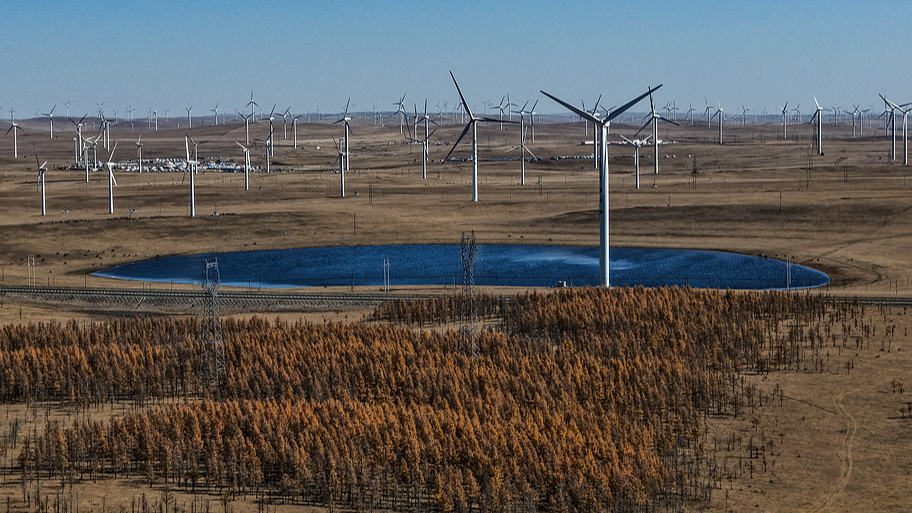
Chinese President Xi Jinping called for the efficient, green and safe development of computing infrastructure during an inspection trip on Friday to Ulanqab, a city in north China's Inner Mongolia Autonomous Region that is becoming an important base for the country's digital economy. Xi visited Chahar High-Tech Development Zone and was briefed on Inner Mongolia's progress in building a hub for the "East Data, West Computing" project and developing its green computing industry. The visit highlights a challenge confronting the global technology industry: how to expand the computing capacity needed for artificial intelligence while managing its growing demand for electricity and cooling. Ulanqab offers a window into China's approach. A key part of that approach is bringing computing demand and renewable energy supply closer together. The national "East Data, West Computing" project supports this effort by linking demand in eastern China with computing resources in western regions. Part of the Inner Mongolia national computing hub, Ulanqab combines wind and solar resources with a cool climate that can reduce the energy needed for cooling. Its proximity to Beijing also helps it serve demand in the Beijing-Tianjin-Hebei region with low network delays. Local authorities coordinate the development of wind and solar power, electricity networks, energy storage and computing facilities. They also promote industrial park models that combine local power distribution networks with direct connections to green electricity supplies. Huawei and ByteDance are among the companies that have established operations in the city. By August, intelligent computing accounted for more than 90% of its computing capacity, according to data released on local government's website. Globally, expanding data centers are adding to pressure on electricity supplies. In the United States, data centers could account for 9.5% to 15.3% of national electricity consumption by 2030, according to scenarios developed by Lawrence Berkeley National Laboratory. Facing similar growth in demand, China's computing centers consumed 170 billion kilowatt-hours in 2025, equivalent to 1.6% of national electricity use, according to figures reported by the National Energy Administration....