In Israel, Netanyahu’s ultimate legacy is the opposition he has forged
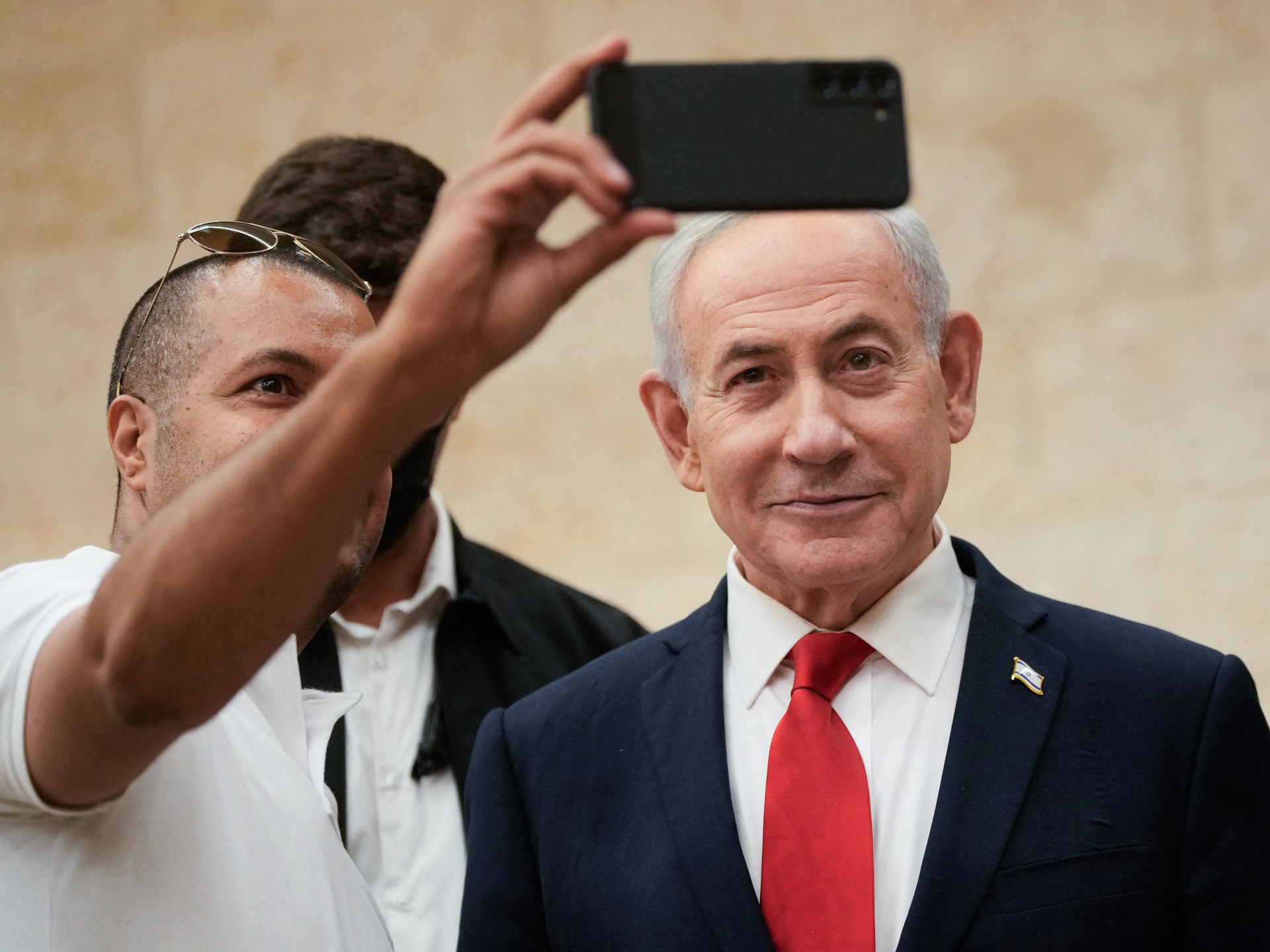
As Israel heads to the polls on October 27, Benjamin Netanyahu’s most enduring domestic legacy may be the right-wing opposition he faces, analysts say. Save Share Benjamin Netanyahu had barely reached the United Nations podium when a sea of delegates jumped from their seats and began walking out in protest at the Israeli prime minister’s speech at the UN General Assembly in late September. Undeterred, a grinning Netanyahu, who is seeking re-election later this month while being wanted by the International Criminal Court on charges of war crimes in Gaza, shot back: “If there are any other moral cowards who haven’t left the hall, please do so now.” For his supporters watching in Israel, it was preciselywhat they wanted to hear. “When they see Netanyahu at the United Nations,” his former aide, Mitchell Barak, told Al Jazeera, “that’s what they want – and it’s hard for them to imagine anyone else doing that.” He added: “For many in Israel, but not all, he’s the only man that can truly lead Israel. He makes them proud to be Jewish.” On October 27, Israel must choose between Netanyahu and an assorted number of rivals who are unified by little other than their absolute opposition to Israel’s longest-serving prime minister. In the eyes of both his supporters and his opponents, as well as much of the world, Netanyahu has become the face of modern Israel. Born in Tel Aviv in 1949 to Benzion Netanyahu and Tzila Segal, he spent his early years between Israel and the United States, the few constants in his life being the profoundly pessimistic views of his father – a right-wing historian who saw a world fundamentally opposed to the existence of Jews – and the military legacy of his brother, Yonatan, who was killed in 1976 while leading a raid to rescue hijacked Israeli hostages in Entebbe, Uganda. Since then, Netanyahu has gone through numerous iterations. In 1982, he was named deputy chief of mission at the Israeli embassy in Washington, DC. Two years later, he was appointed Israel’s ambassador to the UN, before returning to Israel to join the cabinet of then-Prime Minister Yitzhak Shamir as deputy foreign minister in 1988. In 1996, Netanyahu became Israel’s youngest prime minister, leading the first in a series of coalitions that also saw him serving a record 12-year tenure from 2009 to 2021. He returned to power for a sixth term the next year, leading the most far-right government in Israel’s history....