Restoring nature is key to a more resilient future
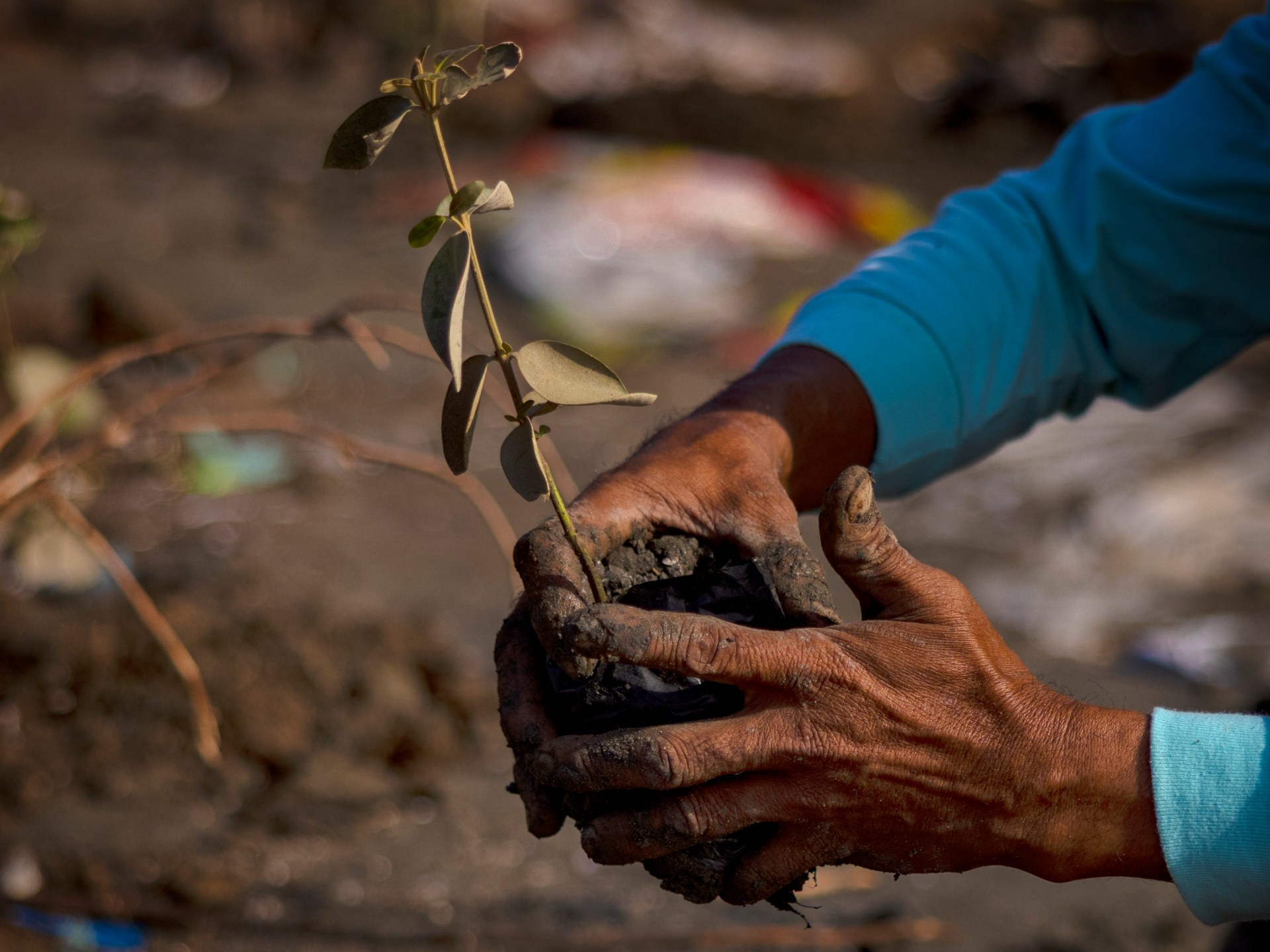
At COP17 and COP31, governments must accelerate positive tipping points in energy, food and finance. Director General, WWF International. Save Share Nature is humanity’s life-support system, but it is being depleted at an alarming rate, leaving our world increasingly vulnerable. From deadly heatwaves and raging wildfires to catastrophic floods and prolonged droughts, the effects of environmental change have been impossible to ignore this year. With El Nino forecast to intensify, the risks to people, nature and economies are only increasing. These shocks are unfolding against the backdrop of widespread nature loss, with WWF’sLiving Planet Report 2026finding that the average size of monitored wildlife populations declined by 73 percent between 1970 and 2022. Nature loss is increasingly a question of economic andnational resilience– affecting food and water security, health, supply chains and geopolitical stability. The situation is serious, but science shows there are still grounds for hope. The economic systems driving nature’s decline can be transformed, and change can accelerate much faster than many may expect. Evidence shows that under the right conditions, positive change can cross a tipping point threshold and become self-reinforcing, making a safer, more resilient future not just possible, but inevitable. The question is: How can we accelerate the actions needed to trigger those tipping points and accelerate the transition? In environmental terms, we often think about tipping points in terms of the threats they pose to vital ecosystems, such as coral reefs or the Amazon rainforest, where constant damage risks compounding and becoming increasingly impossible to reverse. These dangers are real and urgent. However, these tipping point dynamics can also work in our favour. Three economic systems are driving most of nature’s decline: the energy system that fuels climate change; the global food system that leads to habitat loss and climate change; and the finance system that bankrolls it all. Triggering tipping points in those systems would see them rapidly transform for the better and reduce harm to the climate and nature. Once that threshold is passed, change can happen quickly as knowledge and technology advance, with solutions becoming cheaper and more accessible and as people learn from others. Encouragingly, progress is already under way – not everywhere, and not yet at the scale required – but enough to demonstrate that change is possible....