How a radio glitch triggered a false hijack alert in Germany
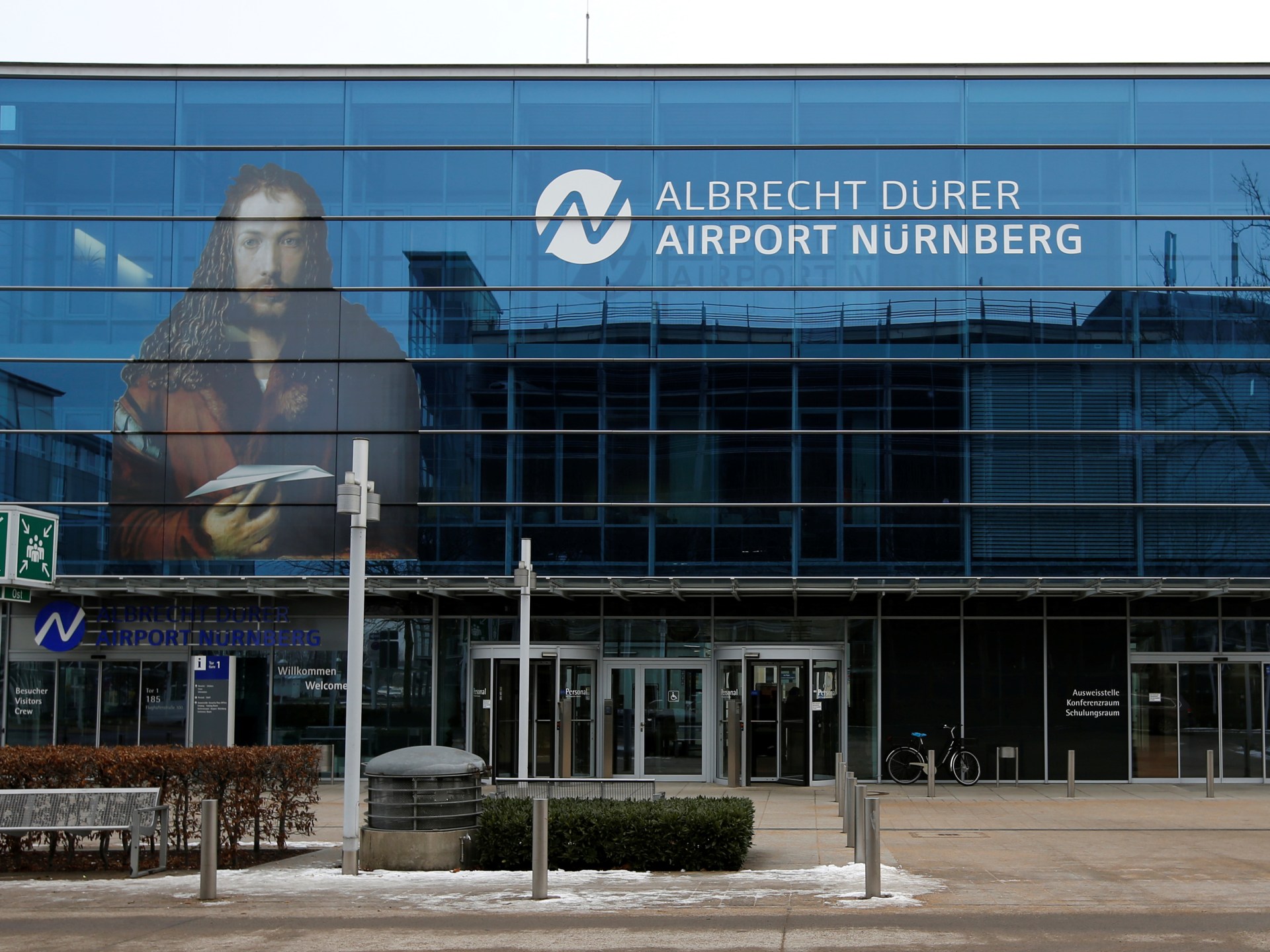
Authorities scrambled fighter jets to escort a plane on its way from Corfu to Nuremberg after a pilot sent a hijack alert. Save Share German authorities briefly closed an airport and scrambled fighter jets to escort a passenger plane on Tuesday following an emergency alert indicating a hijacking was taking place on board. However, the alert had been accidentally triggered by a radio “malfunction”. Corendon Airlines said its Boeing 737-800, which was en route from the Greek holiday island of Corfu to Nuremberg, Germany, sent out an emergency code while it was flying over Croatia “due to a brief malfunction in the radio communication system”. In a statement, the airline said that “no emergency situation occurred”, and the 178 passengers, flight crew and aircraft had not been in danger at any point. The plane landed safely in Nuremberg. German police said Corendon Airlines flight XR456 “inadvertently” sent out an emergency “squawk” alert with the code 7500 while flying over Croatia on Tuesday. A squawk is a four-digit code a pilot sends via the jet’s transponder to air traffic control. The code 7500 tells air traffic controllers that a hijacking is in progress. However, air traffic controllers were unable to make contact with the pilots or crew, causing the alarm to be raised further. It is unclear why this happened. “The aircraft could no longer be reached by radio to clarify the situation”, prompting warnings to be activated in several European countries, police said. A Rafale fighter jet was scrambled from Croatia to intercept the Boeing passenger jet, while the German military also dispatched warplanes. Police cordoned off the Albrecht Dürer airport in Nuremberg as a precaution until they knew the reason the pilot had sent the hijack alert. Police spokesman Michael Petzold explained that authorities had “received a code directly from the cockpit that suggested a hijacking”. “Since we were then unable to reach the cockpit, and the tower was also unable to contact the cockpit, we had to assume the worst – that it might indeed be a hijacking,” Petzold said. The incident disrupted flights, with six flights delayed and two inbound flights diverted to other airports as a precaution, a Nuremberg airport spokesperson said....