How do Iranians move money abroad to avoid US sanctions?
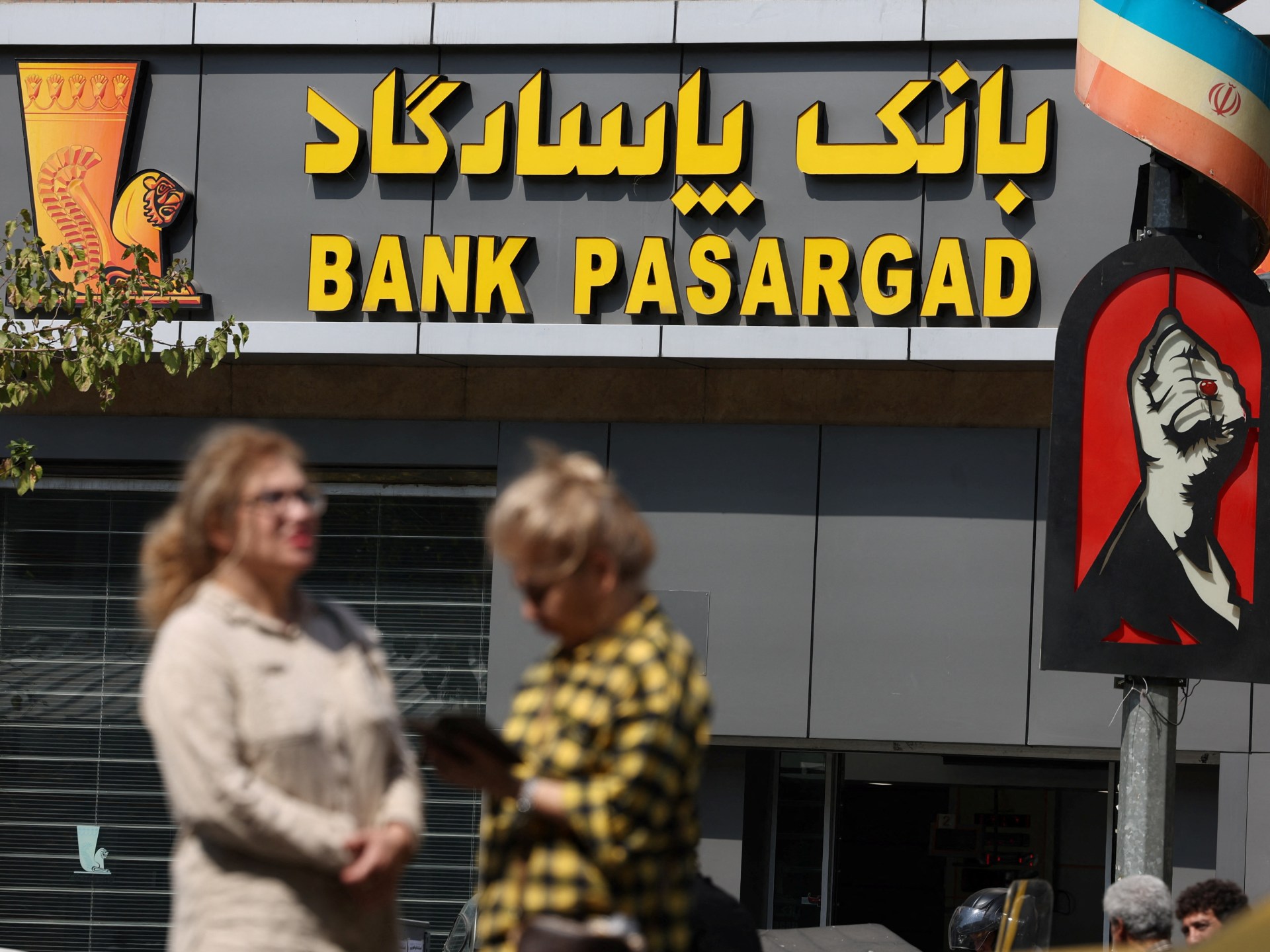
From currency brokers to crypto, Iranians find ways to circumvent sanctions, but each comes with its own problems. Save Share Tehran, Iran –Decades of international sanctions have severely restricted Iran’s access to the global financial system, making cross-border payments difficult for individuals and businesses alike. Thesanctions have only increasedwith the current US-Israeli war on Iran. Unable to rely on conventional banking for international transactions, many Iranians have turned to alternative channels to pay for goods and services abroad. And while each workaround channel offers a way to navigate some of the restrictions, it comes with its own costs and risks, often falling short of the security, reliability and efficiency of a functioning international banking system. One alternative financial channel is relying onnetworks of currency exchangersthat operate across borders, aninformal systemthat matches those who need local currency in Iran with those who need foreign currency abroad. By balancing these opposing needs, transactions can be settled without money necessarily moving directly between Iranian and foreign bank accounts. There are other similar methods. Intermediary firms offer services comparable to currency exchange traders. Typically, a customer pays the intermediary in local currency in Iran, while the firm or an overseas partner arranges payment to the foreign supplier in a convertible currency, using funds held abroad. Using currency traders or intermediary firms can help bridge gaps in international banking access, but both often involve additional fees, exchange-rate costs, delays and greater complexity. Other Iranians don’t deal with companies, but resort to private arrangements with individuals, including people they do not know personally, to transfer money across borders. Those deals may offer a practical solution when formal channels are unavailable, but they rely heavily on trust rather than enforceable guarantees. “The transaction involves strangers having to trust one another to conduct a deal without any legal documentation or proof,” said Reza, an Iranian IT manager in Germany, who did not wish to give his full name. “It relies entirely on trust, and either party can back out at any time, leaving the others out of pocket.” The methods used – whether through companies or individuals – are informal and not the most secure....