Ex-DRC President Joseph Kabila joins hands with M23 rebels: Why it matters
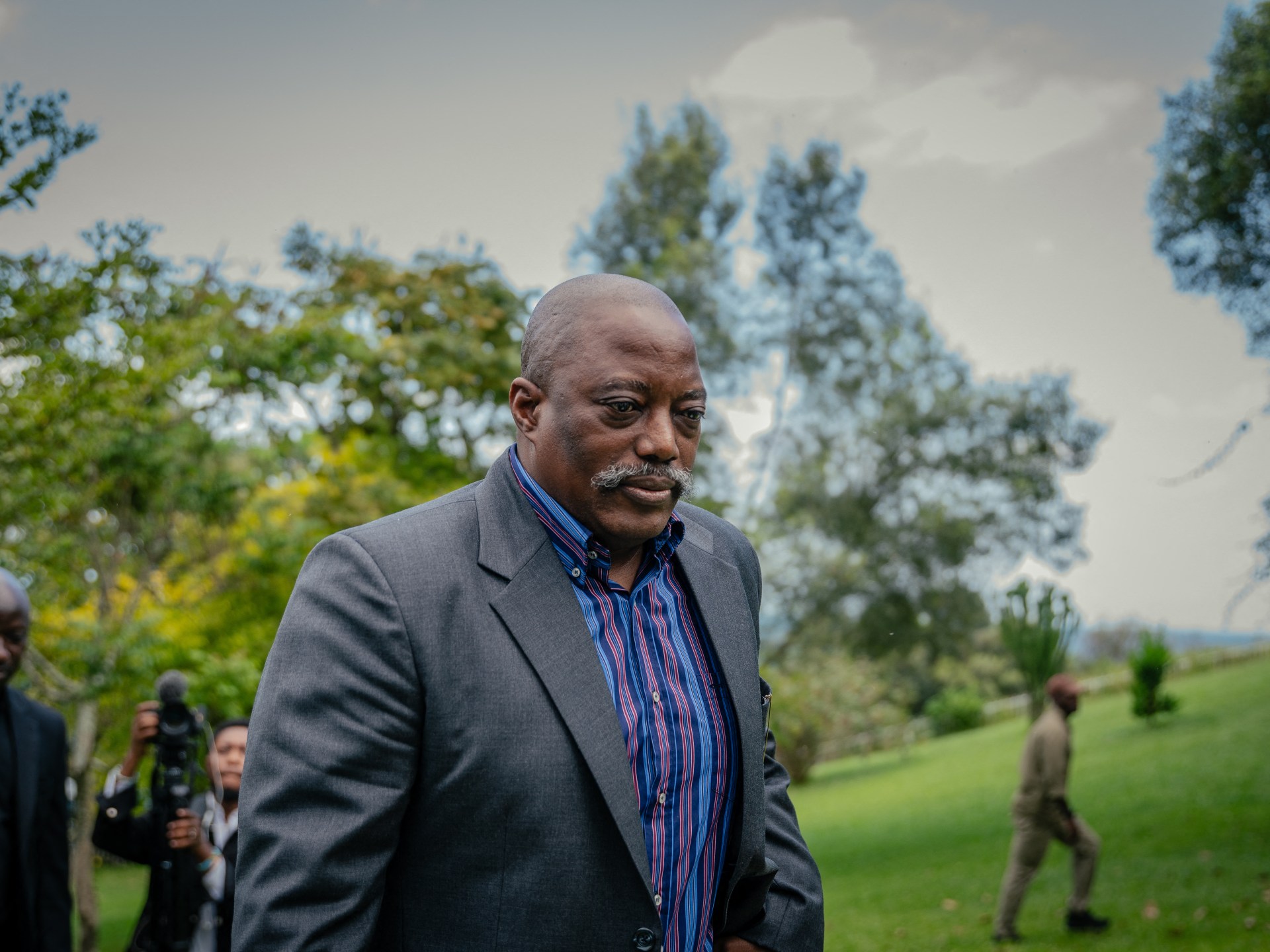
Kabila’s move confirms numerous accusations from the government in Kinshasa of his ties to armed rebels. Save Share Former President Joseph Kabila of the Democratic Republic of the Congo (DRC) has officially allied with armed rebel groups, raising fears of further escalation of an ongoing conflict in the country’s east that has already killed thousands. Kabila on Monday launched a new political-military coalition to replace the M23-AFC alliance, which is fighting government forces and controls swaths of territory. The new movement will “put an end to tyranny by any means necessary, including the use of force”, coalition spokesperson Claude Ibalanky said, in what appeared to be a chilling threat to the government in Kinshasa. It comes precisely a year after Kabila was sentenced to death by a military court for alleged links to the rebel groups. The M23 crisis has racked the mineral-rich eastern DRC for nearly 15 years. The United Nations says more than 7.8 million people are displaced while 28 million people face food shortages. An untold number have died. The United States and UN accuse Rwanda of backing M23. Kigali denies it. Here’s what we know: Kabila introduced the new alliance, the Front pour la Refondation de la Nation (FRN), from his residence in Goma, confirming the DRC government’s accusations. The former president said he will lead the alliance. Corneille Nangaa, a Kabila ally who served as a former elections commissioner before leaving government to launch the Congo River Alliance (AFC), will serve as deputy, alongside Bertrand Bisimwa, an M23 spokesman. Freddy Kaniki, a medical doctor and senior M23 health official, will serve as secretary-general, while Sultani Makenga of the M23 will be the army chief of the alliance. Kabila, 55, is the son of former President Laurent Kabila. He took office as a 29-year-old back in 2001 after his father was assassinated. He previously served as army chief and fought in thetwo Congo civil wars, when Rwanda backed rebel groups against longtime Congolese leader Mobutu Sese Seko. Kabila’s term, which officially ended in 2016, was marked by rights violations and corruption. He illegally delayed elections until 2018, citing voter registration challenges, and left office in 2019. Before he stepped down, Kabila is believed to have signed a power-sharing deal with opposition candidate and election winner, current President Felix Tshisekedi....