How does the world's largest healthcare system work?
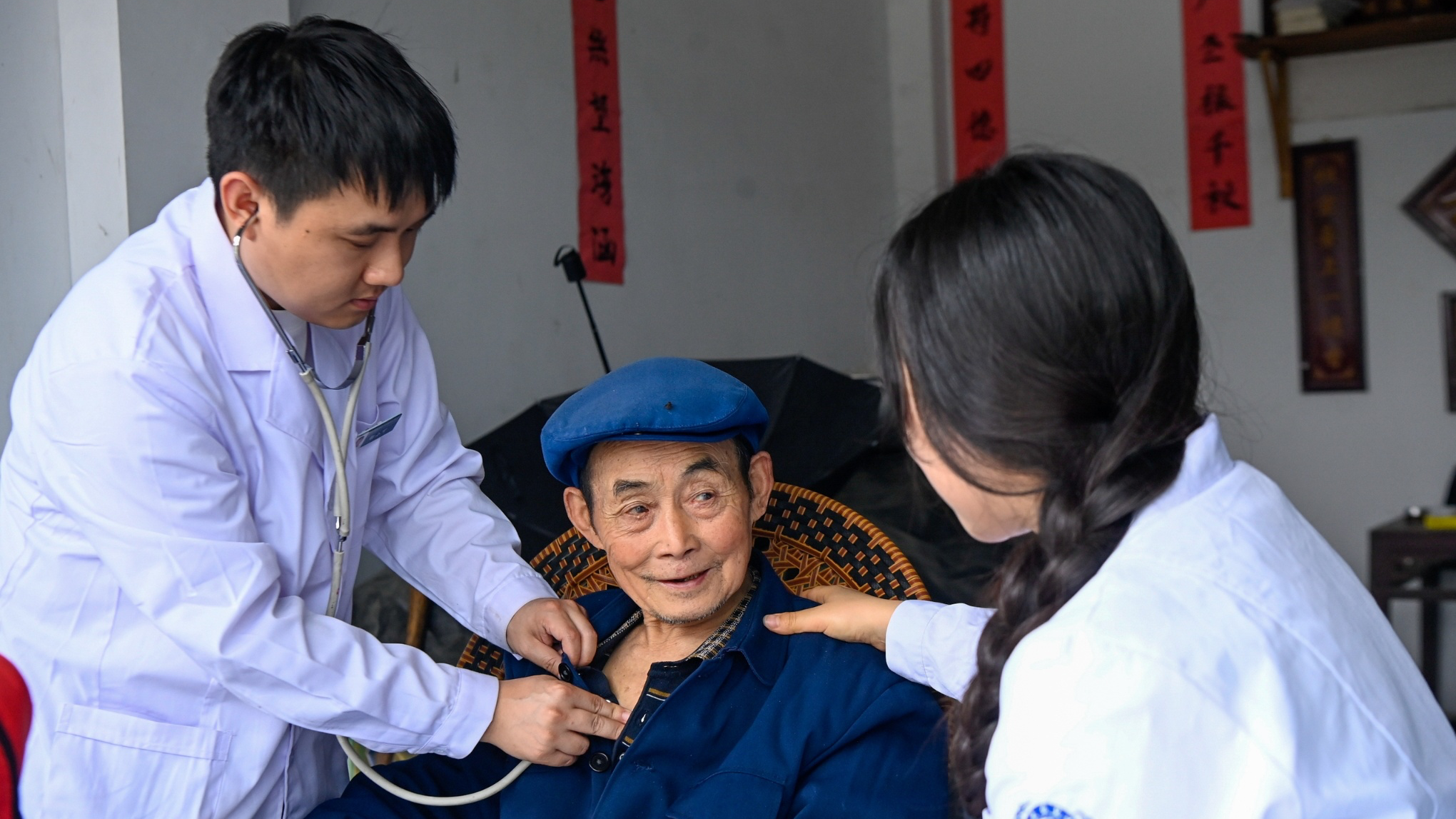
"We must shift the focus of healthcare to the community level, channel more medical resources to local communities, and promote equal access to basic public services in urban and rural areas," said Chinese President Xi Jinping during his visit to Shiye township, east China's Jiangsu Province in December 2014. This is to provide people with safe, effective, accessible and affordable public health services and basic medical care, and effectively address the difficulties and high costs people face in accessing medical care at the local level, he added. Since the 18th Communist Party of China (CPC) National Congress in late 2012, the CPC has given people's health strategic priority. It made the major decision to advance the Healthy China Initiative nationwide. The results are visible in the numbers. In 1949, when the People's Republic of China was founded, the country's average life expectancy was 35 years. According to China's National Health Commission (NHC), by 2025 it reached 79.25 years. Infant mortality has fallen to 3.8 per 1,000 live births. Maternal mortality is down to 13.4 per 100,000. Deaths from major chronic diseases before age 70 have fallen to 13.8%. China has also built the world's largest basic healthcare security system. According to the NHC, more than 1.1 million hospitals and clinics cover both urban and rural areas. Basic medical services reach 1.4 billion people. And over 90% of residents live within 15 minutes of a healthcare facility. A defining feature of China's healthcare coverage is its focus on primary care. In 2025, community clinics and hospitals handled 5.65 billion outpatient visits, according to the NHC, accounting for 53% of all visits nationwide. Wang Hufeng, director of the Healthcare Reform and Development Center at the School of Public Administration and Policy, Renmin University, said the emphasis on primary care reflects President Xi Jinping's strategic judgment, given China's huge population and uneven regional development. Shared resources are another hallmark of primary care. According to the NHC, more than 80% of counties have set up shared centers for imaging, ECGs and lab tests. These have served over 330 million people. In practice, a patient can get tested at a township clinic and get diagnosed by a specialist at a county hospital. The results are accepted wherever the patient goes next – overturning the old belief that a proper check-up meant a long trip to the city....