Palestine weekly: Gaza marks year of ‘ceasefire’ with more Israeli killing
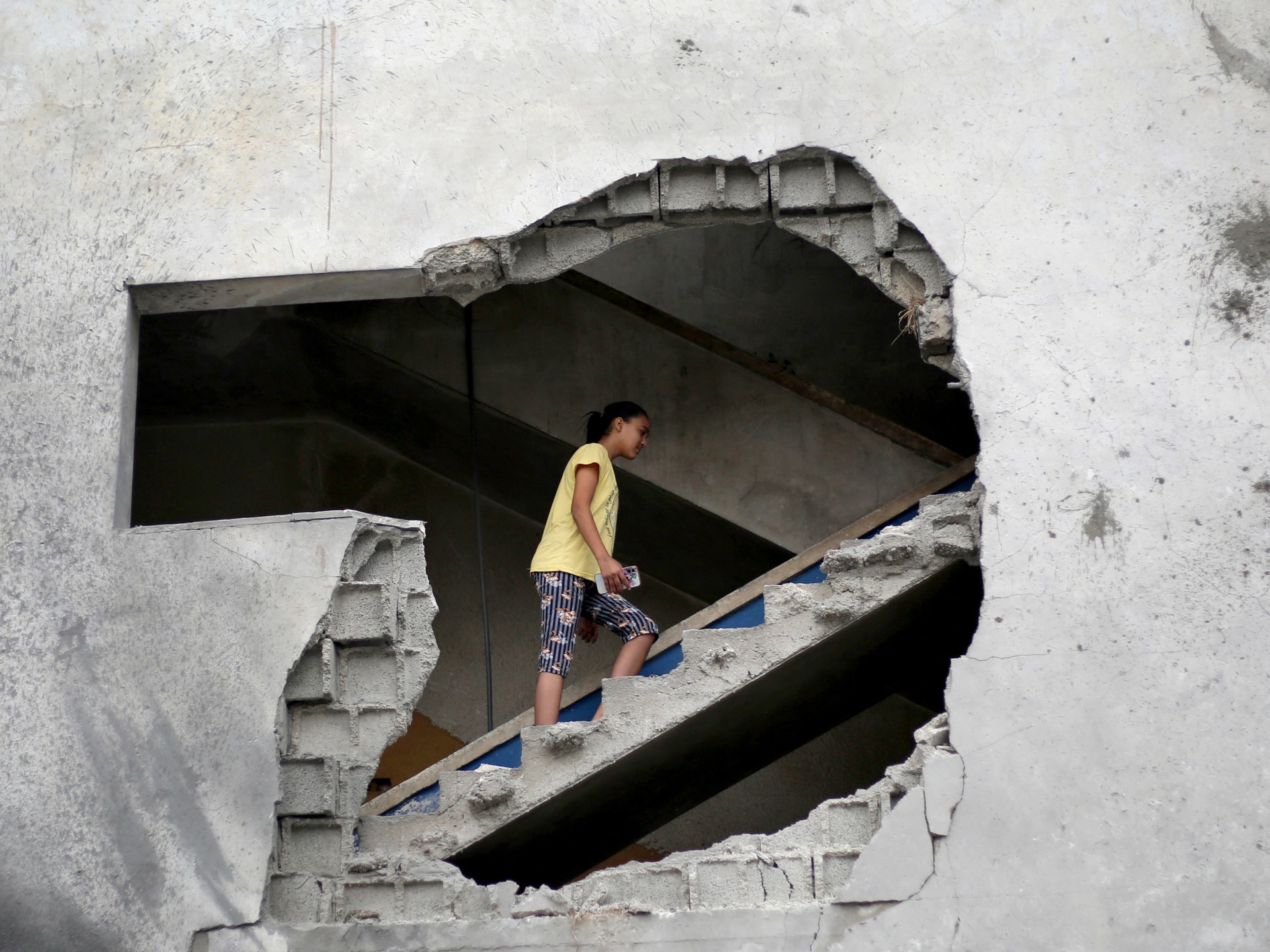
A year after Gaza’s ceasefire, Israeli attacks persist as settler violence disrupts West Bank’s oil harvest. Save Share The Gaza “ceasefire” marked its first anniversary on October 10, but more than 100 humanitarian and human rights organisationssaid it exists “in name only”. Islamic Relief noted thatIsraeli forces have killed or wounded a Palestinian in Gaza on average every 90 minutessince the ceasefire took effect. Gaza’s Health Ministry put the toll since the truce at 1,493 killed and 5,299 wounded as of October 12, up from 1,460 a week earlier; the cumulative death toll since October 2023 stood at 74,382. In statements describing attacks, Israel’s military claimed several of those killed this week were Palestinian fighters. The Israeli military said two men killed near the Jordanian Field Hospital were Islamic Jihad operatives; Wafa identified one as a recently released former prisoner. It separately said a civil defence worker killed while responding to the wounded near Kamal Adwan Hospital in northern Gaza had been a Hamas sniper; Hamas rejected the claim, and it has not been independently verified. Israeli forces have also continued pushing the so-called Yellow Line demarcating Israeli control further into residential Gaza City neighbourhoods this week, triggering fresh displacement. One year into the ceasefire,the Board of Peace – Gaza’s transitional oversight body – has failed to meet most of its central commitments: no international stabilisation force has deployed, aid trucks are entering at roughly a third of the agreed rate, and Israel now controls nearly two thirds of the Strip — well above the roughly 50 percent it was supposed to retain before further withdrawal and a future handover of control to Palestinians. The Palestinian olive harvest – traditionally a time of family and celebration – gathered pace as Israeli settlers and soldiers intensified efforts to disrupt it. Harvesters were killed, attacked and blocked, while isolated families faced dayslong settler sieges. The attacks followed a familiar shape village to village, according to Wafa and field reports from local residents and activists: Israeli forces frequently blocked the harvest, too. Soldiers used drone-mounted loudspeakers to drive farmers out of Wadi Abwein and turned pickers away in several locations elsewhere....