Azerbaijan’s school hijab ban: What’s behind it, and what’s next?
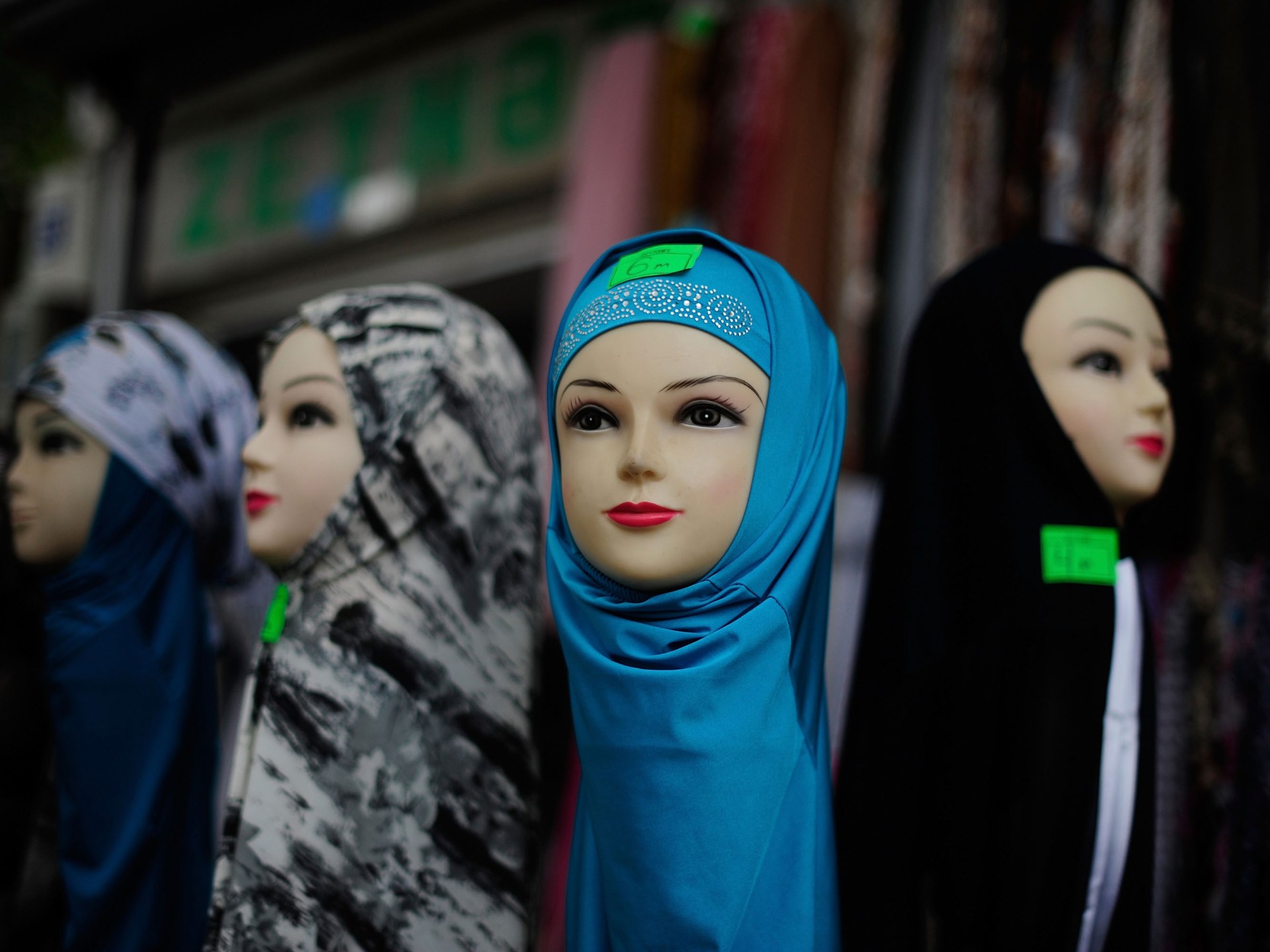
Protests have broken out as some schools begin preventing students and teachers from attending classes. Save Share An Azerbaijan government decision to indirectly prohibit students and staff from wearing the hijab in schools has sparked protests. The amendment approved last month stopped short of explicitly banning the Muslim headscarf but barred clothing in schools that the government said violates the “principle of secularism”. The decision has sparked protests as some schools began preventing students and teachers from attending classes. Teacher Zahra Hasanova told Al Jazeera that she was informed she could no longer wear the hijab at school. “To be honest, I am a little emotional. I am hurt,” she said. “[The hijab] is a personal choice, and if one day I want to take it off, that should be my choice too.” The state-run Azerbaijani Press Agency (APA) said the amendment to the Descriptions of Uniforms for Students of State General Education Institutions aimed to ensure a unified dress code that reflects the country’s “secular principle”. About 96 percent of Azerbaijan’s population identifies as Muslim. Its constitution defines the country as secular while also guaranteeing religious freedom. The APA added that clothes that reflect the “history, culture, and national and moral values of the Azerbaijani people” may be worn for celebrations pending approval by the Pedagogical Council, which operates under the Ministry of Science and Education. Such clothing ensures that teachers reflect “professional standards” and will have positive effects on the “school’s public reputation”, it said. The measure has sparked protests and a social media campaign in Azerbaijan. Videos circulated showing students hugging their teachers and crying as they were turned away from schools. Local media outlets reported that students in at least two schools in Azerbaijan boycotted classes in protest against the restrictions. Imprisoned journalist Polad Aslanov, who is serving a 113-year prison sentence after being convicted of high treason in 2020, launched a hunger strike over the new requirements. “Despite being in prison, I am raising my voice against the trampling of our constitutional rights by employing the only means of struggle available to me – a hunger strike!” Aslanov wrote in a message posted on Facebook by his wife, Gulmira Aslanova....