Ceuta or Sebta? Why one city has two names and a disputed status
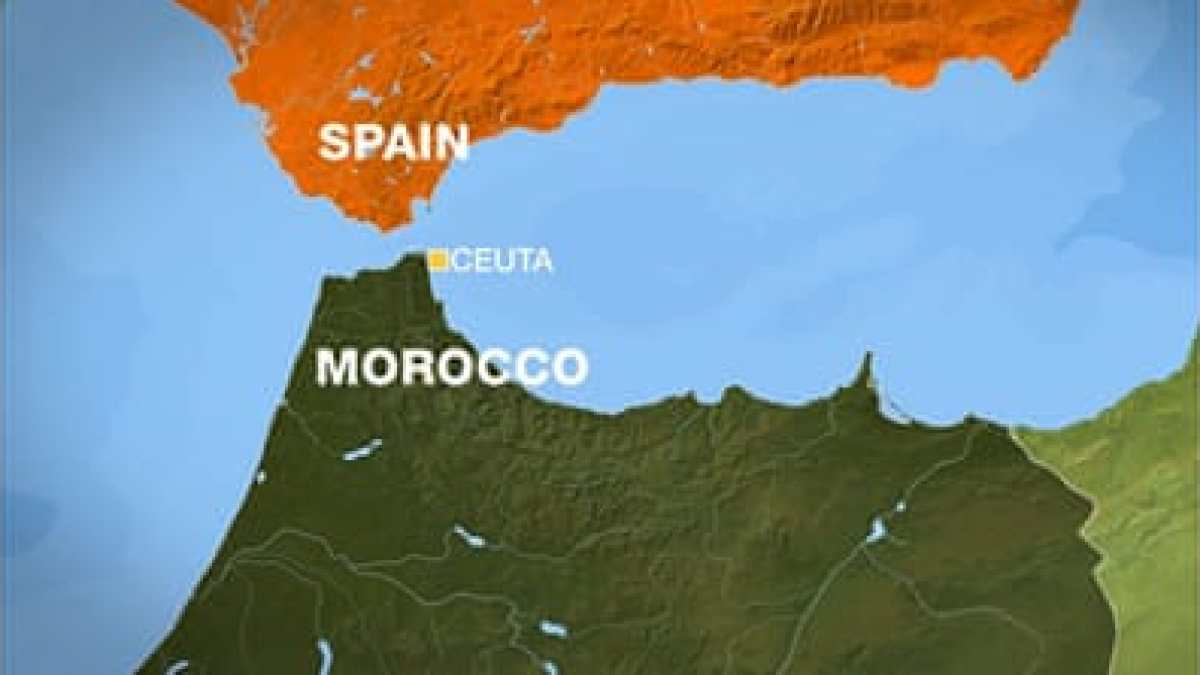
Felipe VI’s first visit to Ceuta and Melilla as king brings Spain’s territorial dispute with Morocco back into focus. Save Share Spain’s King Felipe VI and Queen Letizia are due to visit Ceuta on October 13 and Melilla the following day, in Felipe’s first visit to either city as king since he ascended the throne in 2014. The trip comes after a major migration crisis at the Ceuta border in July and as the long-running dispute between Spain and Morocco over the two cities on the North African coast remains unresolved. Spain considers Ceuta and Melilla part of its territory, while Morocco regards both cities and several smaller Spanish-held territories in North Africa as part of its own territory. The city that sits on the southern side of the Strait of Gibraltar also has different names in Spanish and Arabic. In Spain, it is Ceuta. In Arabic, it is Sabta, commonly written as Sebta in Latin script. So why does the same city have two names? And how did a city on the North African coast come under Spanish sovereignty? The name is much older than either modern Spain or Morocco. The city was known as Sabta in Arabic. Spain’s Ministry of Culture identifies Sabta with present-day Ceuta and traces its history through successive periods of Idrisid, Umayyad, Taifa, Almoravid, Almohad and Marinid rule. The Spanish form, Ceuta, developed from earlier forms of the name. Sabta and Ceuta are different linguistic forms of the same city. Ceuta passed through several political and dynastic systems in the Maghreb and al-Andalus. Under the Idrisid dynasty, the city was in the hands of the Banu Isam before being taken by the Umayyad Caliph Abd al-Rahman III in 931, bringing it into the political sphere of al-Andalus. In the 11th century, Ceuta became linked to the Taifa of Malaga. It later came under the Almoravids and Almohads. From the beginning of the 14th century, it became part of the Marinid sphere with periods when other local dynasties held power. By the early 15th century, Ceuta was under Muslim rule. That changed in 1415. On August 21, 1415, Portuguese forces led by King John I captured Ceuta. The Portuguese conquest brought an end to more than seven centuries of Muslim rule in Ceuta. Ceuta’s own cultural heritage authority dates Muslim rule from 709 to the Portuguese conquest in 1415. Ceuta remained Portuguese for more than two centuries. Portugal and Spain were then ruled by the same monarchy from 1580 to 1640....