How the ICC can be saved
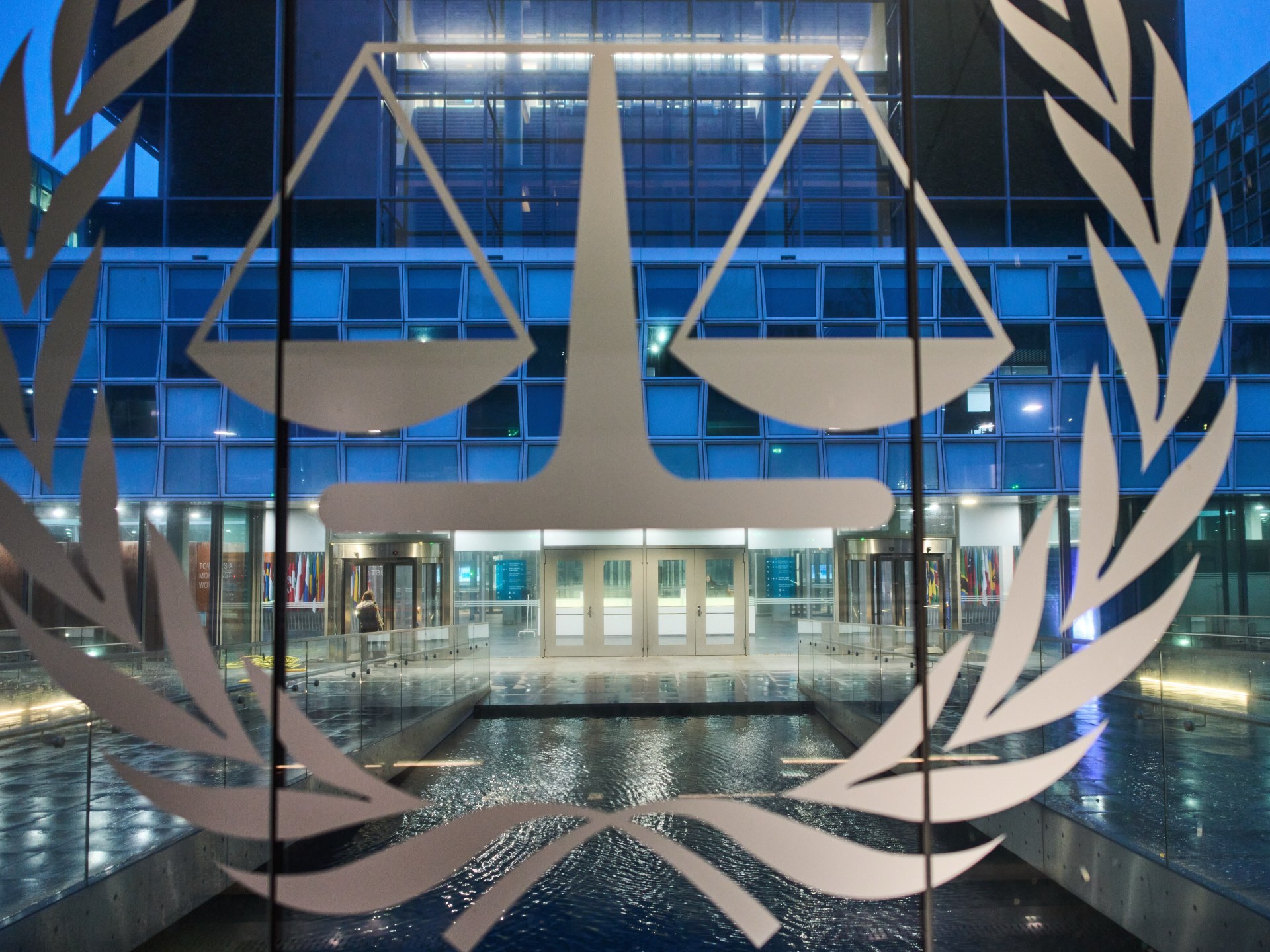
Hoping for ‘dialogue’ with the US over its sanctions on the ICC is meaningless. Action is needed to protect the court. Save Share The sanctions the United States has imposed on the International Criminal Court threaten to degrade its capacity to function, leaving it to die a slow institutional death. Its continued operation as an international organisation, let alone a court of law, would become impossible. The international community has responded with weak statements of condemnation. States Parties have had more than 20 months since US President Donald Trump came to power to prepare for this move. Efforts should have been made to strengthen the court’s institutional resilience. Still, it is not too late to act. The grace period offered by the US should be used not to engage in fruitless negotiations, but to undertake immediate measures to protect the court. The sanctions block the ICC’s assets and other property interests in the US or in the possession or control of US persons. Subject to exemptions and licences issued by the US Department of the Treasury, US individuals and companies are prohibited from doing business with the court. US banks, insurers, IT firms, and other businesses cannot supply the ICC with goods or services or receive payments from it without risking penalties. Many non-US businesses will overcomply and withhold their services out of fear of being sanctioned themselves. Cutting the court off from suppliers and service providers could paralyse its investigative and prosecutorial activities across all situations. The sanctions, however, come with a “grace period” of 180 days to allow for maintaining or winding down the ICC operations. This covers States Parties’ payments to the ICC, salary payments, health insurance, and medical services for its employees or contractors, and payments for rent, utilities, and routine services. Separate licences permit the provision of certain telecommunication, cloud and software services, the processing of ICC pension payments, and services needed for the benefit of specified ICC detainees. Washington has presented the “grace period” as an opportunity for States Parties “to demonstrate meaningful progress on diplomatic and legal resolutions” addressing US objections. Yet, in essence, it is an instrument of overt political coercion designed to force States Parties into compliance....