India’s crackdown on youth protesters: What next?
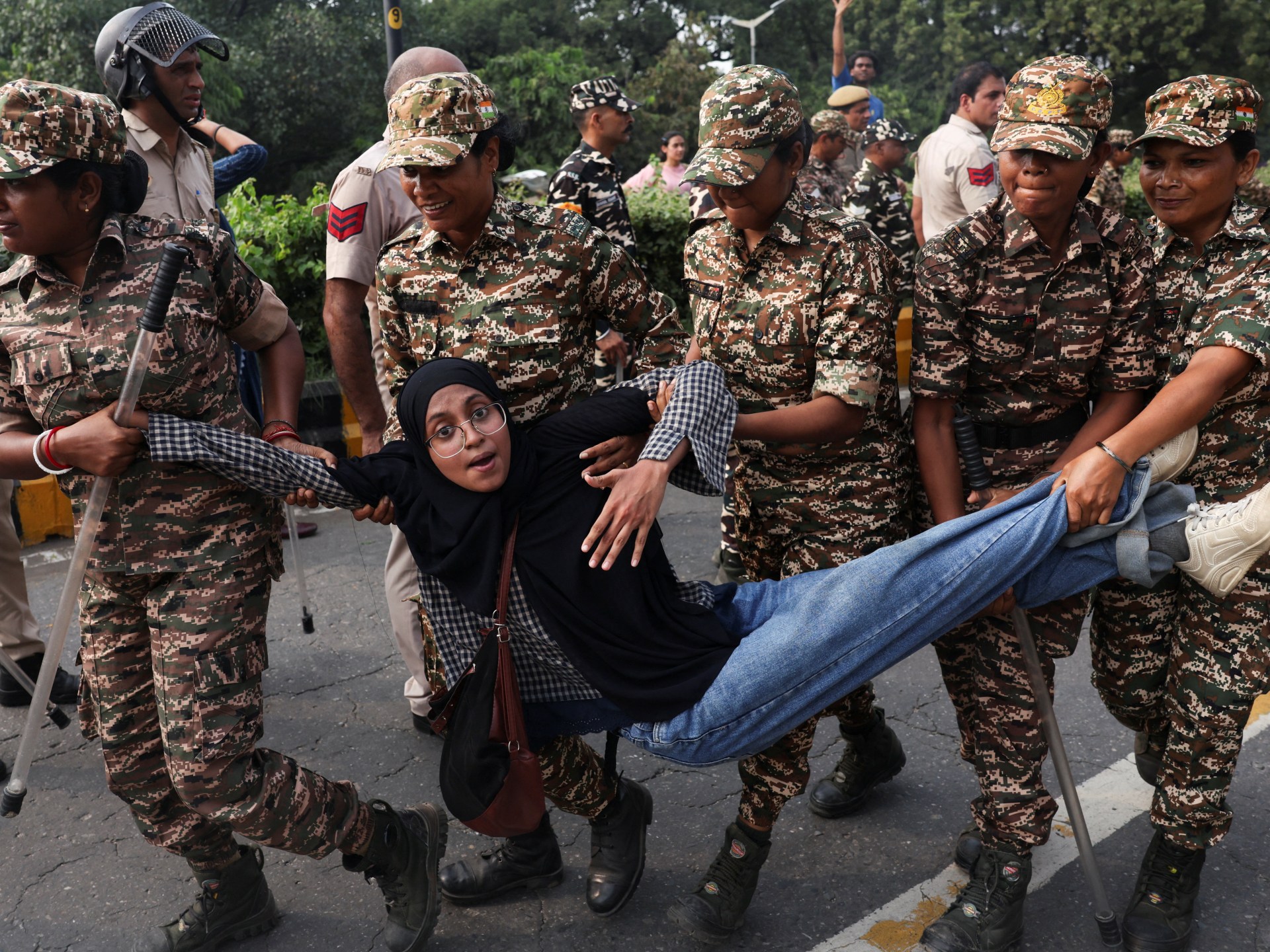
India’s Cockroach youth movement and student groups have said protests will continue despite detentions. Save Share India’s capital is bracing for a second day of protests after thousands of people, including the leaders of the “cockroach” youth movement and opposition politicians, were detained amid a major crackdown on demonstrators. Abhijeet Dipke, the Cockroach Janta Party (CJP) leader, called Prime Minister Narendra Modi a “bully” shortly after he was released on Sunday. Thousands of other protesters, some of whom are members of left-wing student groups, were released on Sunday after the Supreme Court called their detention “illegal”. “Modi, as PM, is an embarrassment to India. Never has this country seen a bigger coward and bully,” Dipke said in a post on X. The protesters are demanding that Chief Election Commissioner Gyanesh Kumar resign over a revision of voter lists that they say disproportionately benefits Prime Minister Modi’s governing Bharatiya Janata Party (BJP). Millions of voters, including Muslims, have been deleted from the rolls in a process marred by technical errors and a perceived lack of transparency. The protests erupted across several Indian cities after an investigation by the Indian Express newspaper found that two election commissioners objected to many of Kumar’s decisions. India’s Election Commission is a constitutional body with three members, and decisions are taken by majority. Ahead of Saturday’s protests, the capital, New Delhi, was turned into a fortress with tens of thousands of police and paramilitary forces deployed, trains and metros suspended, and markets and major roads blocked, to prevent protesters from reaching Jantar Mantar – a designated protest site close to India’s parliament. Jantar Mantar was sealed off. Jantar Mantar was the site of the July protest that led to the resignation of Education Minister Dharmesh Pradhan. That protest, also led by the CJP, was triggered by a string of exam paper leaks. Security forces also set up checkpoints on major roads and entry points across the city of 20 million people, checked buses and inspected vehicles searching for protesters. Barricades and concrete blocks disrupted traffic, while anti-riot vehicles equipped with tear-gas launchers guarded key routes....