Why is US turning to Russia for diesel despite sanctions?
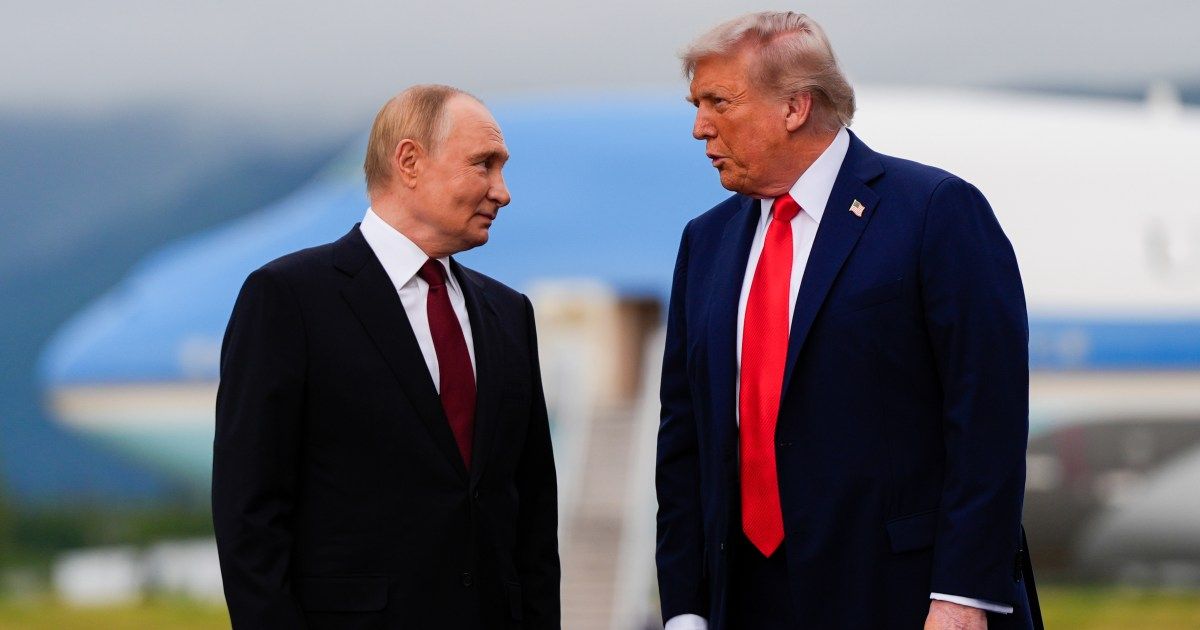
President Donald Trump’s annoucement comes amid surging fuel prices and looming US midterm elections. Save Share United States President Donald Trump says he hasagreed a dealto release stocks of diesel fuel from Russia to try to ease high fuel costs in the US before November’s midterm elections. However analysts told Al Jazeera that the deal will likely have little effect on easing the global energy crisis while European countries could refuse to buy from Russia altogether. The agreement comes despite years of sanctions on Russia over its war on Ukraine, the latest of which were announced last month by the US and specifically targetedbuyers of Russian oil. Here’s what we know: On Friday night, Trump announced on social media that after a “highly successful discussion” with Russian President Vladimir Putin, it had been agreed that Russia would “immediately” supply more than 300,000 tonnes of diesel fuel to the US and global marketplace. Another 500,000 tonnes would be released in November, and a further 1 million tonnes sometime after that, Trump said. He added that, based on the current condition of its diesel refineries, Russia would then deliver another 3 million tonnes of diesel. Trump claimed that this move, along with what he described as “total control” by the US of the Strait of Hormuz, would bring down diesel prices in the US and the rest of the world. “Lower prices for Americans, especially our Great Farmers, Ranchers, and Truckers, is my Greatest Priority,” he wrote in a post on his Truth Social platform. Trump later thanked Putin for the deal, telling reporters outside the White House on Friday: “To be honest, we have massive amounts of oil coming into our country, and it’s diesel which is what we want.” Putinsaidin a statement on Friday that Russia “confirmed its willingness to supply oil and petroleum products to the US market and global markets at large”. Global fuel prices have surged as a result of both the US-Israel war on Iran and Russia’s war on Ukraine. Tehran has largely closed off the Strait of Hormuz, through which 20 percent of the world’s oil and gas supplies had been shipped in peacetime, since the US and Israel first launched strikes on Iran in February. The recent attack on Saudi Arabia’sEast-West Pipeline, another key oil export route from the Gulf, as well as attacks by Yemen’s Houthis around the Red Sea and the Bab al-Mandeb strait have compounded supply disruptions....