Yemen’s Taiz under siege again as food and fuel prices rise
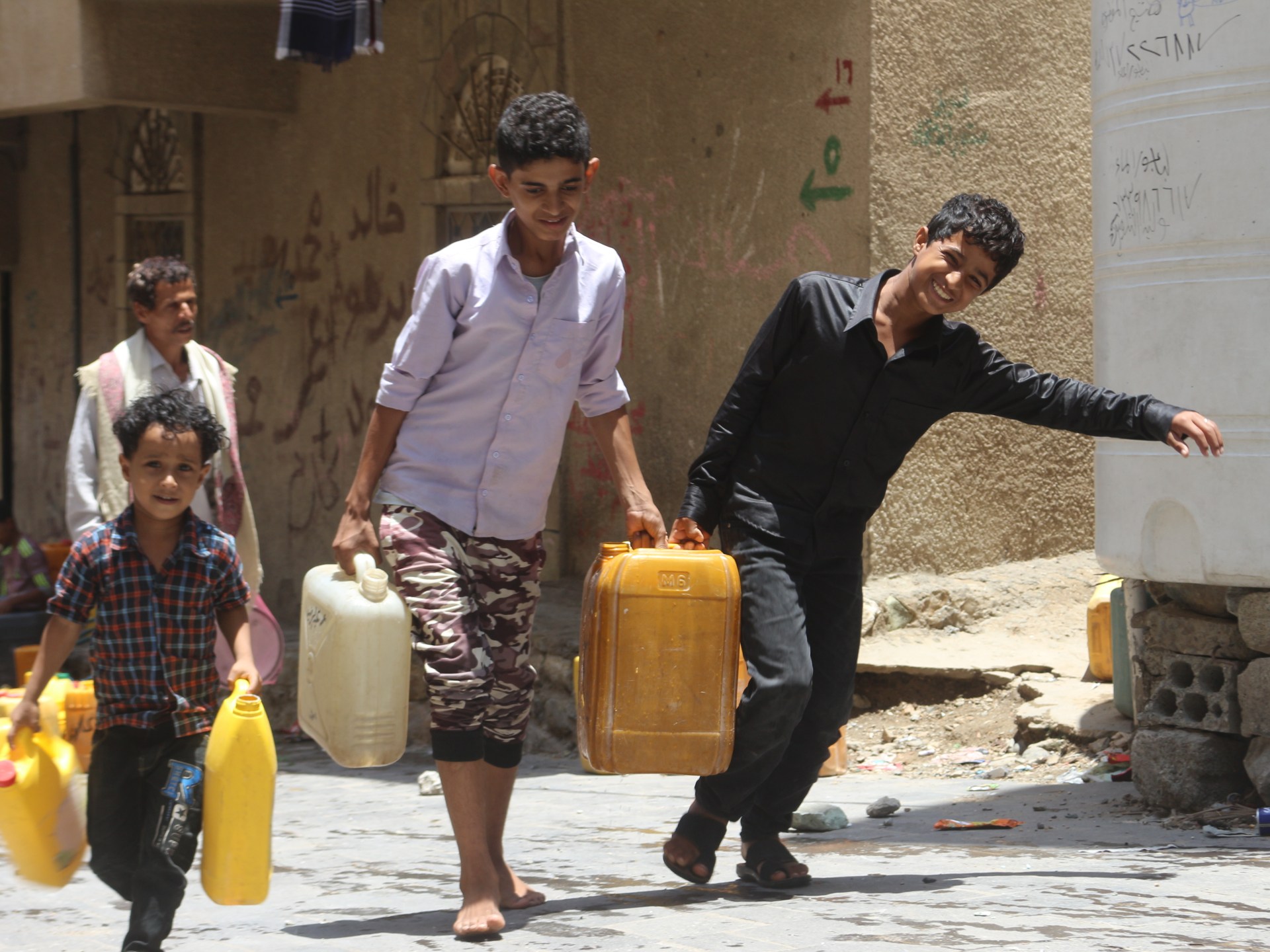
Houthi advances and the closure of vital roads into Taiz have triggered shortages, reviving memories of earlier siege. Save Share Taiz, Yemen –Taiz is under siege, but 37-year-old Iskandar Abdullah already knows what it’s like to live under one. The city, a major population centre in Yemen’s southwest, endured adevastating Houthi siegebetween 2015 and 2016, as the Iranian-backed group attempted to capture the city from local pro-government forces. The Houthis continued to maintain a partial siege in the following years through their control over other access points into the city. “They were difficult days,” Abdullah recalls, even as the Houthis begin a new siege on Taiz following their capture of territory to the south of the city, cutting off the main road to government-held territory. “We witnessed the horrors of the siege and experienced the bitterness of life in all its terrifying details.” “I hope those painful days never return.” In early September, the Houthis launchedan offensivealong the Red Sea coast of Taiz governorate. The group soon established full control over the port city of Mocha and the district of Dhubab, where the Bab al-Mandeb strait – through which 12 percent of global trade passes – is located. The Houthis, who have controlled Yemen’s populous northwest, including the capital Sanaa, since the country’s war started in 2014, did not stop their military attacks at the Red Sea. Even as government forces, backed by Saudi Arabia,began a counteroffensivein early October and regained some of the territory lost, the Houthis pressed forward in the countryside surrounding Taiz. The Houthis successfully captured the town of al-Turbah by October 4, severing the only remaining main road between Taiz city and other government-held areas. Taiz residents, like Abdullah, are now worried that the city is about to face a prolonged full-scale siege. Abdullah remembers how difficult life was between 2015 and 2016, when pro-government forces were confined to an enclave in the centre of the city. Locals endured “horrors, as well as appalling humanitarian and economic conditions unlike anything experienced by any other Yemeni governorate during the war”, according to Abdullah. “People lacked even the most basic necessities of life, including drinking water, food, fuel and medicine,” he said....