From Aden to Sanaa, Yemenis struggle to deal with soaring living costs
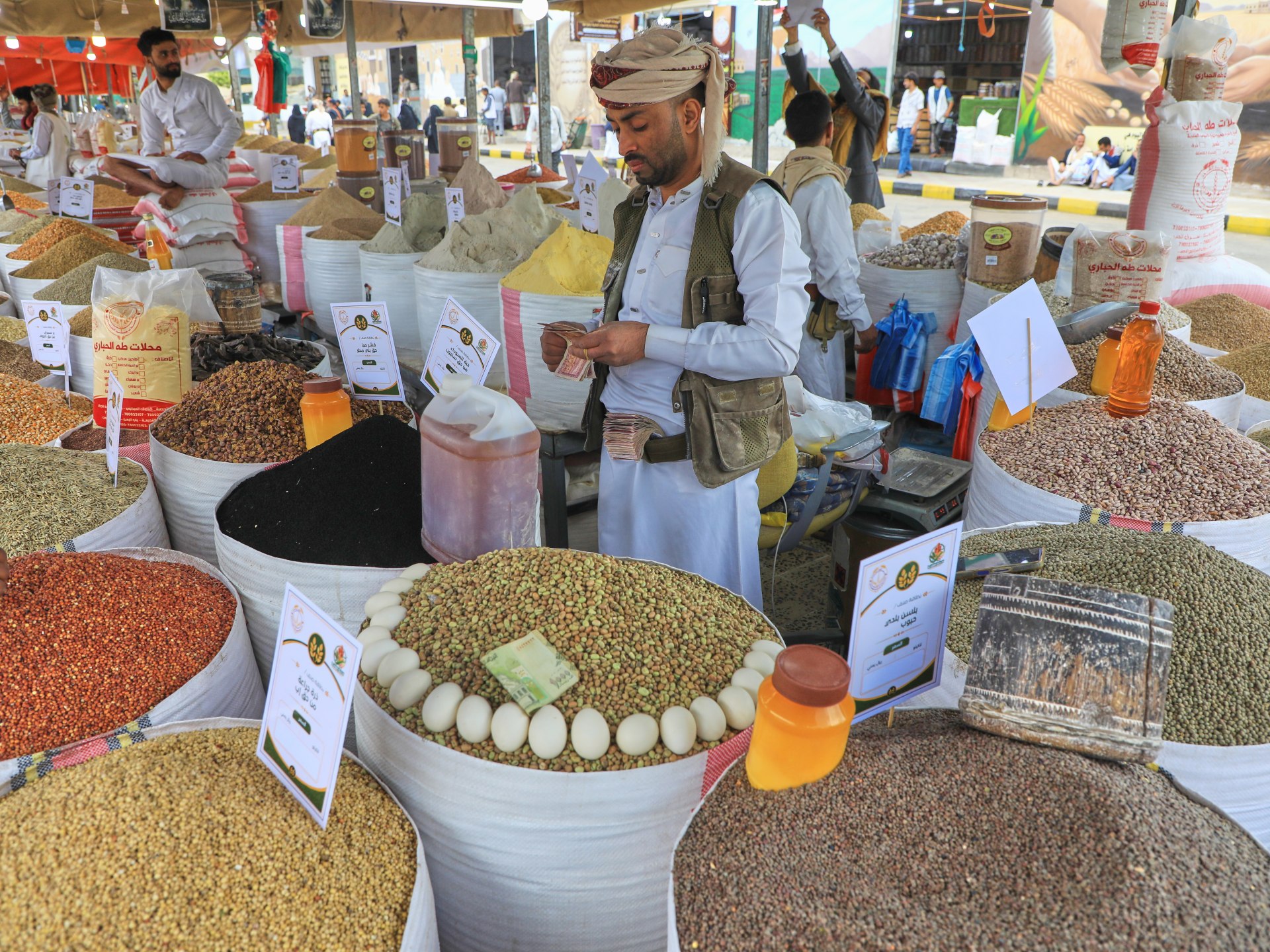
As fighting intensifies, Yemenis face a deepening economic crisis, with unpaid salaries and rising prices. Save Share Sanaa, Aden and Marib, Yemen –Asfighting intensifiesacross Yemen between the government and the Houthis, millions of people are confronting another battle far from the front lines: the deteriorating living and economic conditions in the country. With salaries for large segments of the workforce either unpaid or irregularly disbursed – and the prices of goods and services rising – Yemen’s economic struggles have been compounded by a divided banking system that has made moving money between different parts of the country increasingly complicated. From Aden’s struggling shoppers to displaced families in Marib and unpaid public-sector workers in Sanaa, Yemenis are being forced to make difficult choices about what they can afford, and what they must go without. In Aden, the internationally recognised Yemeni government’s interim capital in the south, the problem is not so much a shortage of goods in markets as people’s inability to afford them. Salaries have failed to keep pace with therising costs of food, rent, healthcare andtransport, leaving workers with little money left over at the end of the month. The consequences are evident in the smaller quantities and cheaper products that now make up shoppers’ baskets, and the decisions they are forced to make about what to cut back on. Bushra Abdullah Abdulwarith is a government employee in Aden. She earns 78,000 Yemeni riyals ($50) a month at the black market exchange rate while typical household food costs in government-held areas run about 130,366 riyals ($83), according to estimates by the Yemen Economic Tracking Initiative. And that’s before she factors in the cost of rent, transport, healthcare and other household expenses. The economic difficulties facing Yemenis like Bushra illustrate how more than a decade of war has devastated the economy. According to the World Bank, real GDP per capita has fallen by approximately 58 percent since 2015. The fragmentation of Yemen’s monetary institutions between the government and the Houthis – who have operated their own institutions since seizing the capital, Sanaa, in 2014 – along with the disruption of oil exports, and declining international assistance have all contributed to the economic decline....