Kenyan patient suspected of Ebola infection tests negative
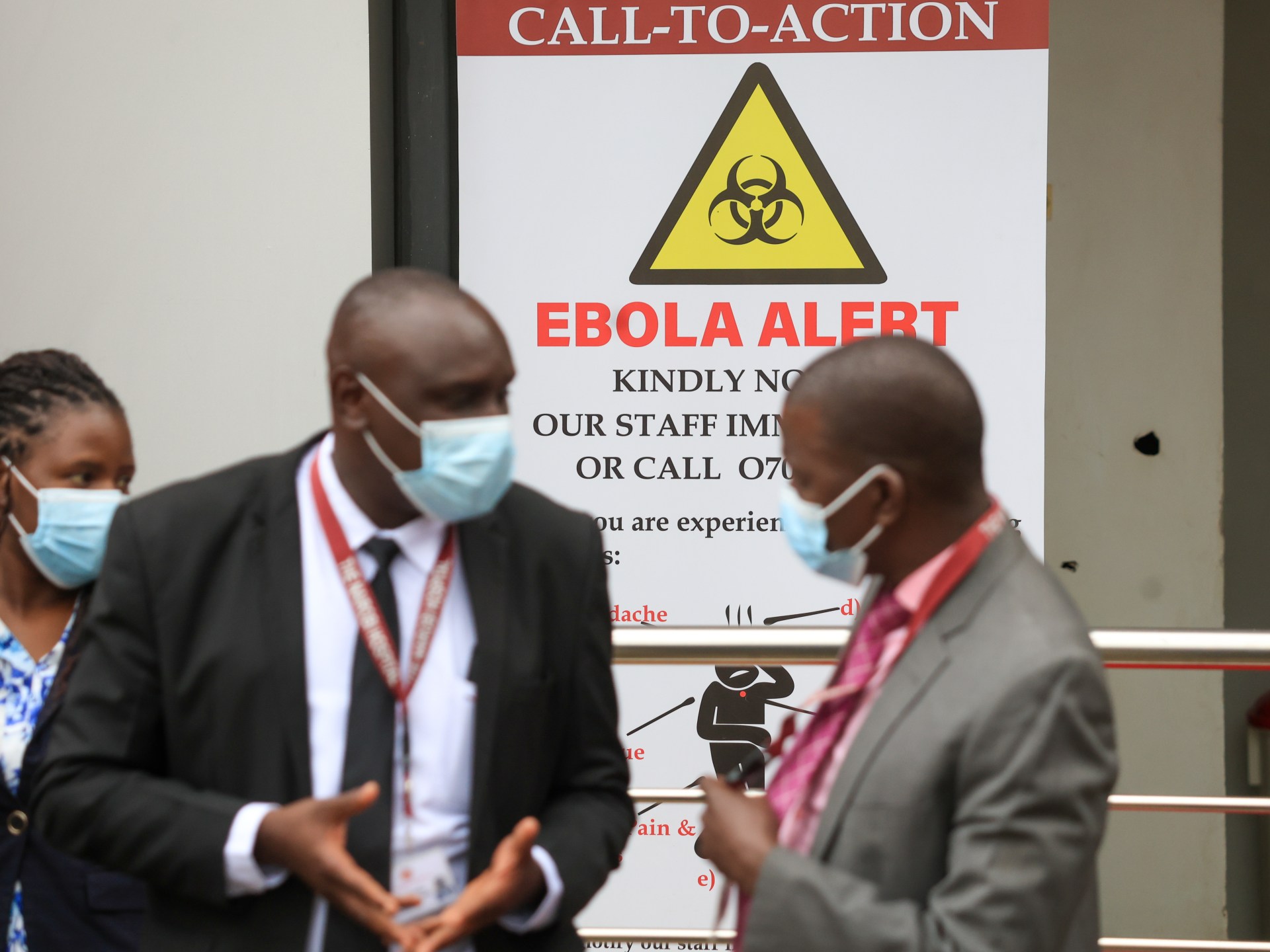
Preliminary lab results ease fears of a second case in Kenya, after the country reported its first-ever case this week. Save Share Preliminary laboratory results from a Kenyan patient who was suspected of contracting theEbolavirus have come back negative. Fears of a second case of Ebola in the East African country were allayed on Thursday after the governor of Wajir County, where the patient is being treated, revealed the test results. “I am pleased to report that the preliminary laboratory results indicate that the sample is NEGATIVE for Ebola Virus Disease,” the Wajir county governor said in a statement. The suspected patient is a 20-year-old man with a travel history from the Democratic Republic of the Congo (DRC) through Uganda to Kenya. The other Kenyan patient who tested positive for the virus and subsequently died had travelled the same route. Kenya had reported its first-ever Ebolacaseon Tuesday after a citizen who became sick in the DRC died in Nairobi. The deadly strain of the Ebola virus has spread widely, starting in the DRC earlier this year. The DRC officially declared an outbreak in May. Kenya is the fourth country to record a case linked to the Ebola epidemic in the DRC, thesecond-largeston record. The ongoing outbreak in the eastern DRC has killed at least4,205 peopleout of more than 8,700 reported cases. The outbreak spread across the border to Uganda, which had about 20 cases before being declared Ebola-free in July. The strain behind the latest spread has been dubbed the Bundibugyo virus (BDBV), believed to have spread from animals to humans through a new transmission route. No vaccine currentlyexistsfor Bundibugyo. The first case in Kenya drew scrutiny over the status of the virus in neighbouring Uganda and exposedlapsesin Kenya’s border screening systems. The patient who died was able to pass through multiple airport temperature checks. The World Health Organization (WHO) is working with Kenyan authorities to trace contacts and strengthen checks for travellers entering the country. Follow Al Jazeera English: