‘This is a crisis of hope’: Echoes of 1968 as France’s students rise up
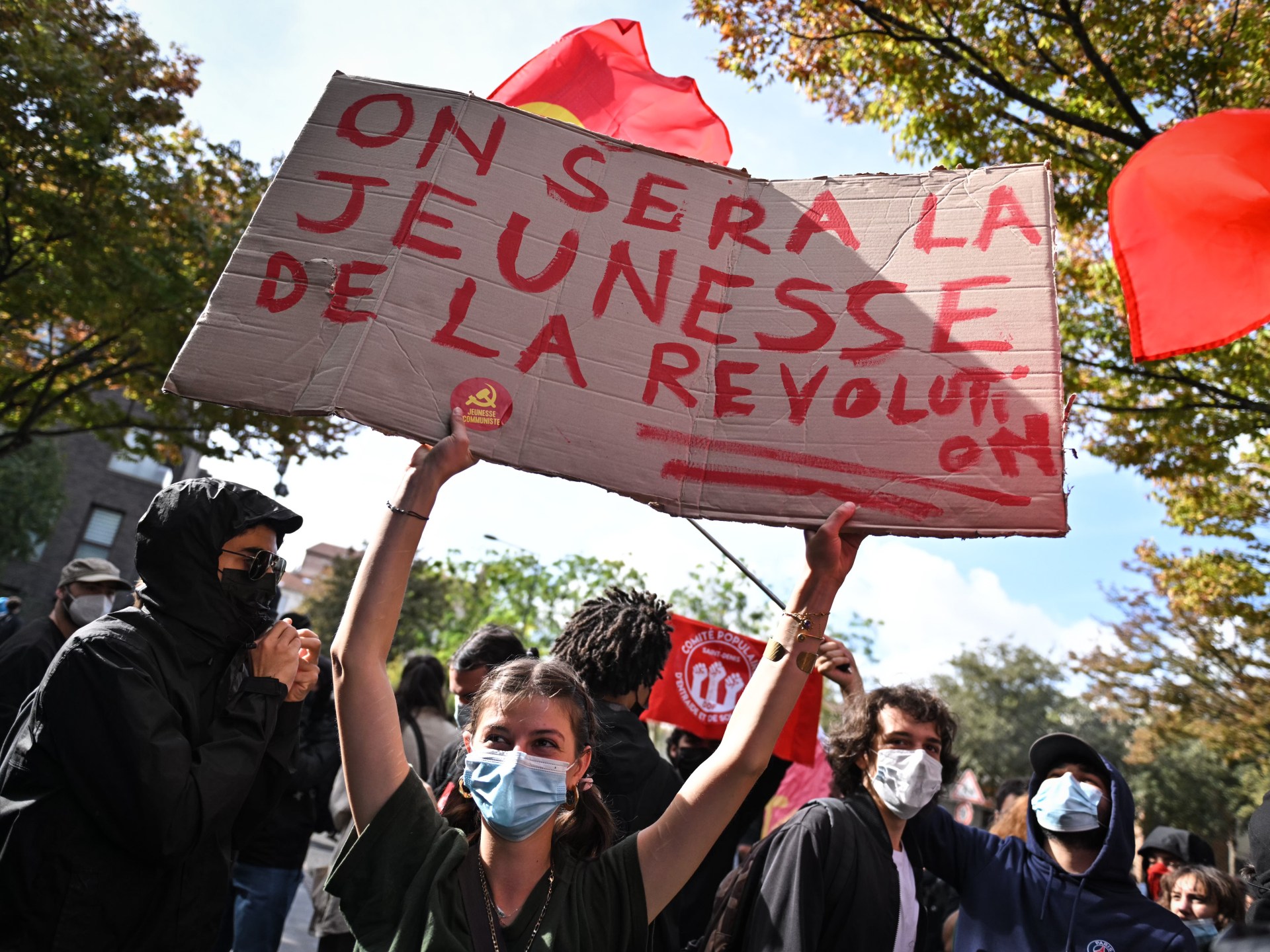
Like in 1968, when student protests triggered nationwide strikes, today’s crisis is about generational discontent, experts say. Save Share The scale of protests raging acrossFranceover the education system, attracting hundreds of thousands of pupils, teachers and parents, has been described as exceptional by unions and student movement organisers. “I think this is very historic and unprecedented by how big it is,” Alice Cohen-Morzadec, international spokesperson for France’s Student Union, said on Tuesday, when government sources put the number of protesters at 266,000. “Some are saying this is the biggest movement since May 1968,” she added. The student protests at Paris universities nearly five decades ago were initially driven by opposition to an outdated and overcrowded system, limited opportunities and broader political concerns. The unrest soon spread beyond campuses, expanding into nationwide strikes involving millions of workers that virtually paralysed the country. Back then, President Charles de Gaulle was in power. Today’s protests come as France heads into next year’s presidential elections, which are beingeyed by the far right. As in 1968, the protests that started on September 21 at an underdeveloped Paris suburban high school are about funding for education, teacher shortages, overcrowded classes, and school facilities. But those are triggers and not the deeper causes, according to historians and student movement organisers. “For the young people, this is a crisis of hope. You can see they are bombarded daily with economic problems, political extremes, dangers of warfare in Europe, the threat to their careers from AI, high youth unemployment rates, the climate crisis,” Andrew Smith, historian of modern France and lecturer in Liberal Arts at Queen Mary University of London, told Al Jazeera. He said students are dissatisfied because of a lack of substantive interaction between the government and student representatives and unions in recent years. “It has been difficult for the government to meet with interlocutors and try to have dialogue with social partners,” he said. Robi Morder, a researcher on social movements in France, said the lack of communication reflects the current government’s approach. “In 1990 and 1998, governments were led by socialists and leftists. Some of the ministers had been in the youth movement. So when there was an issue, the government knew how to negotiate....