Bosnia’s political future looks increasingly like its past
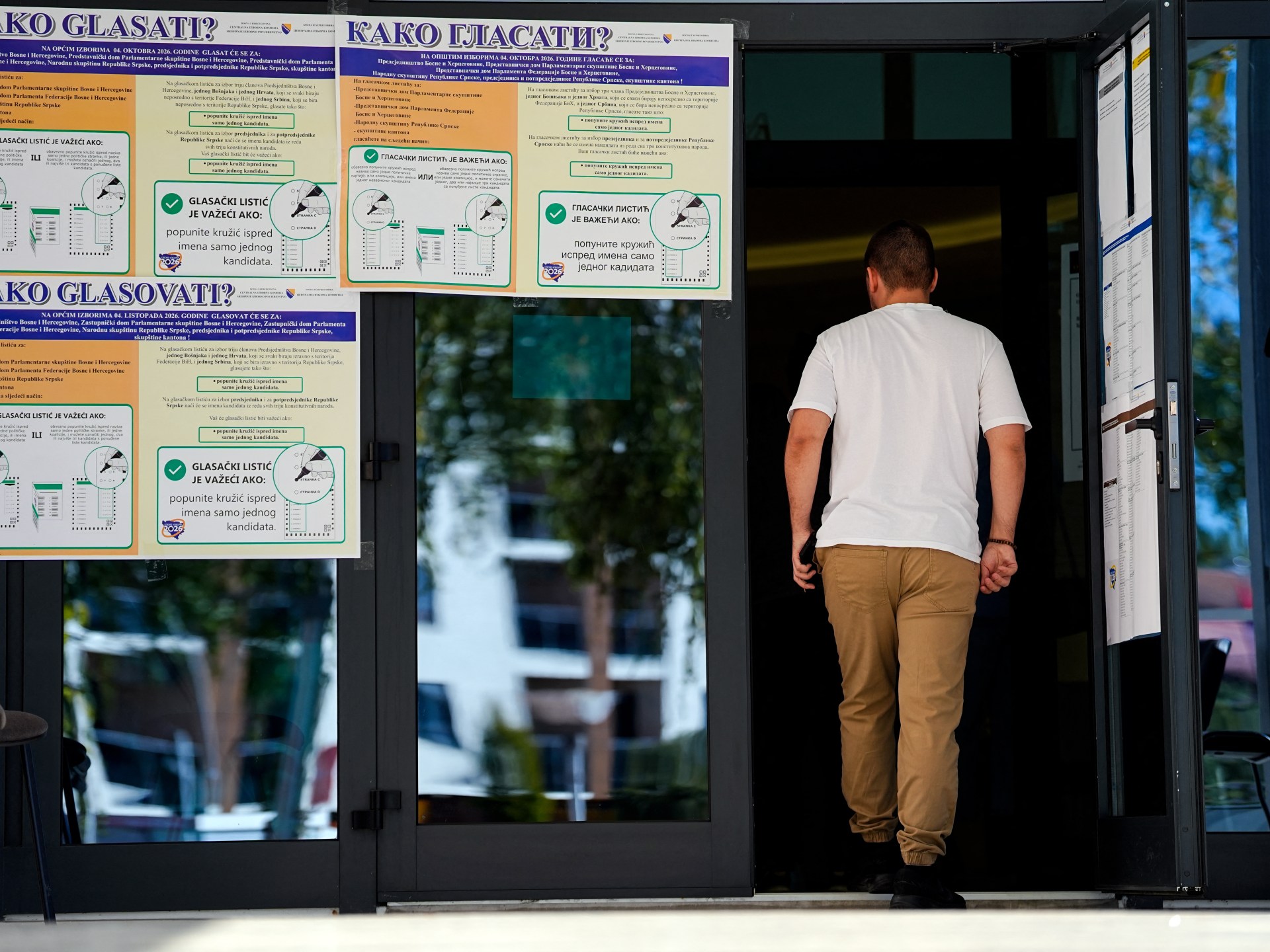
Three nationalist parties are poised to dominate again, deepening fears of division and paralysis. Journalist and editor from Sarajevo, Bosnia and Herzegovina. Save Share The latest general elections in Bosnia and Herzegovina, held on October 4, repeated a pattern familiar from most electoral contests over the past three decades. The decisive victory of parties organised largely along ethnic lines – which many would rightly describe as nationalist – came as no surprise. It is therefore difficult to disagree with analysts and experts who say the country has been set back 30 years and faces an even grimmer future. The last two years have seen arguably the greatest crisis of the post-war period, and the results of Sunday’s elections offer little hope for improvement in the coming years. The spectre of nationalism, division and overt assaults on the country’s sovereignty and territorial integrity reinforces the increasingly common notion that a “continuation of the war by peaceful means” is under way – meaning that while armed conflict ceased three decades ago, hostilities, objectives and the struggle for power persist through political, economic, diplomatic and information channels. The extremely complicated Bosnian electoral system – one state, two entities, Brcko District, three constituent peoples, 10 cantons and 144 cities and municipalities – should perhaps be studied in law schools as an excellent example of how to create a dysfunctional state. The only thing more difficult – pessimists would say impossible – is explaining to future lawyers, sociologists and political scientists how governments are formed after an election – from cantonal assemblies, through entity institutions to state institutions, including the omnipotent House of Peoples of the Parliamentary Assembly of Bosnia and Herzegovina – itself almost impossible to explain. This House of Peoples has been the main tool for blocking the country’s path towards the European Union and NATO over the past two years. Delegates from the Croatian Democratic Union of Bosnia and Herzegovina (HDZ BiH) and the Alliance of Independent Social Democrats (SNSD) – the dominant party in Republika Srpska for the past two decades – have repeatedly worked in tandem to block the work of the chamber, leaving sessions and breaking quorum when the agenda did not suit them – often when some of the most important issues were being decided....