‘Nature can recover’: Inside the race to rescue world’s crisis-hit wildlife
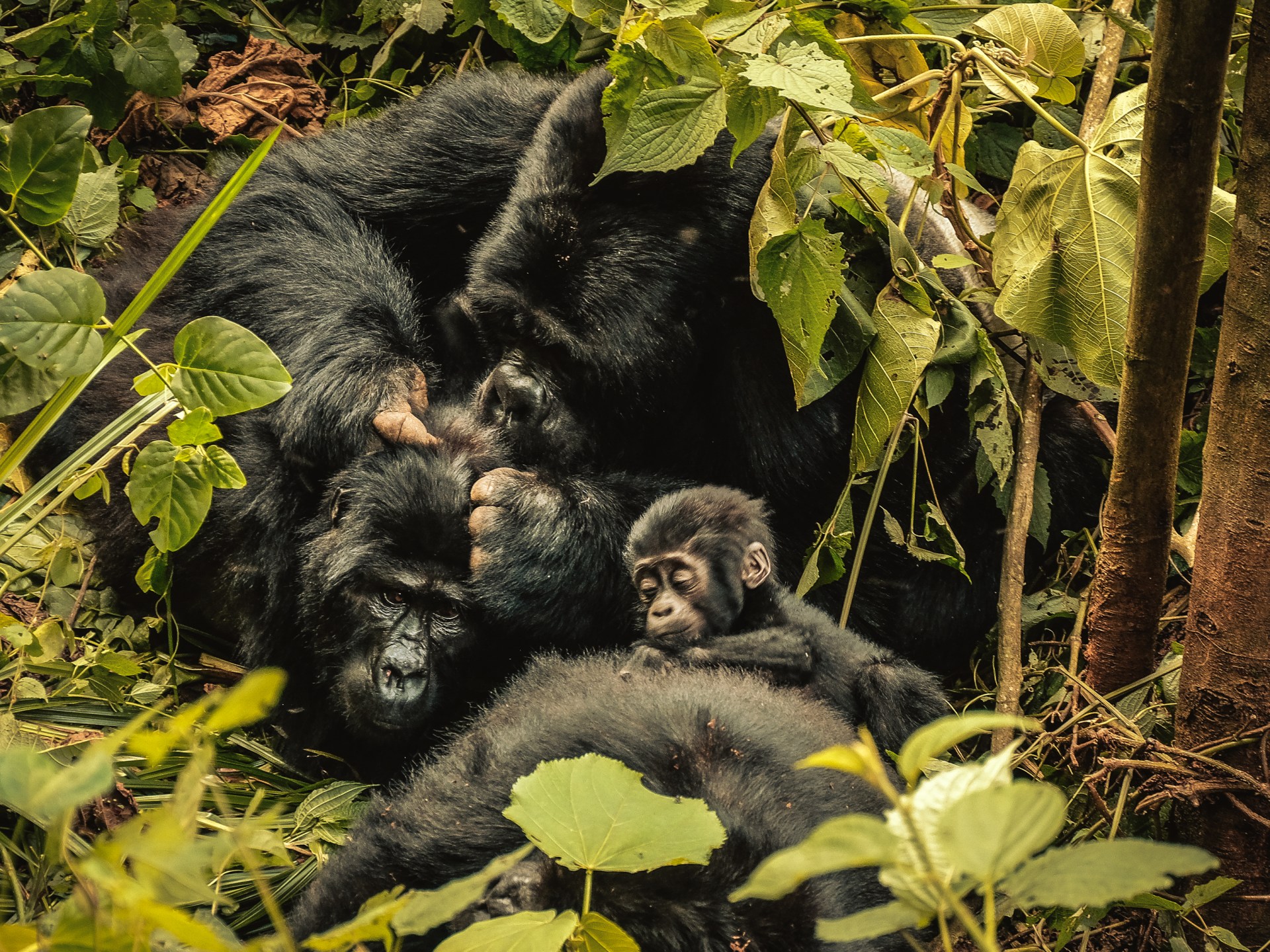
There is a spark of hope for a natural world beset by crisis, as conservation efforts succeed amid a 73 percent drop in wildlife numbers. Save Share Beneath the dense forest canopy of Uganda’s Bwindi Impenetrable National Park, a troop of gorillas is being quietly observed by a group of tourists who have each paid $800 for the privilege of the experience. In villages around the park, a thriving economy has grown off the back of the gorillas’ presence here, from the sale of wood carvings to visitors and the provision of accommodation for up to 40,000 tourists a year. In the national park, which sprawls along the edge of the Rift Valley and the border with the Democratic Republic of the Congo (DRC), there are many local jobs for rangers and guides. But deeper into the forest, more mountain gorillas live away from human contact, quietly enhancing the natural world around them through their daily routines of foraging, nest building and dispersing seeds. And, crucially, by increasing their own populations. In the 1980s, the mountain gorilla was on the fast track to extinction. Now, there are more than 1,100 living in thriving populations in Uganda, Rwanda and the DRC. Theirs is a story of conservation success that spills beyond the species themselves, into the nature they live in, and the human communities they exist alongside. “The mountain gorilla story shows us that conservation can work,” Tara Stoinski of the Dian Fossey Gorilla Fund tells Al Jazeera. “It’s a really important example of the effort that’s needed to make that happen – decades of sustained conservation action that includes direct protection, science-informed management and meaningful community support and involvement.” This is welcome news for a natural world beset by crisis. According to this year’s Living Planet Report by the World Wide Fund for Nature (WWF), over the past 52 years, there has been a 73 percent decline in the average size of monitored wildlife populations. Across the world, habitats have been degraded and lost as overexploitation, climate change, pollution and invasive species take their toll. But the report also highlights important recoveries in populations of green turtles, bluefin tuna, tigers and Southern African elephants. “For too long nature has been undervalued,” says Andrew Terry, chief conservation officer at the Zoological Society of London, who helped produce the report. “But these declines are not inevitable and change is possible....