US sets new demands for Iran deal: What are they?
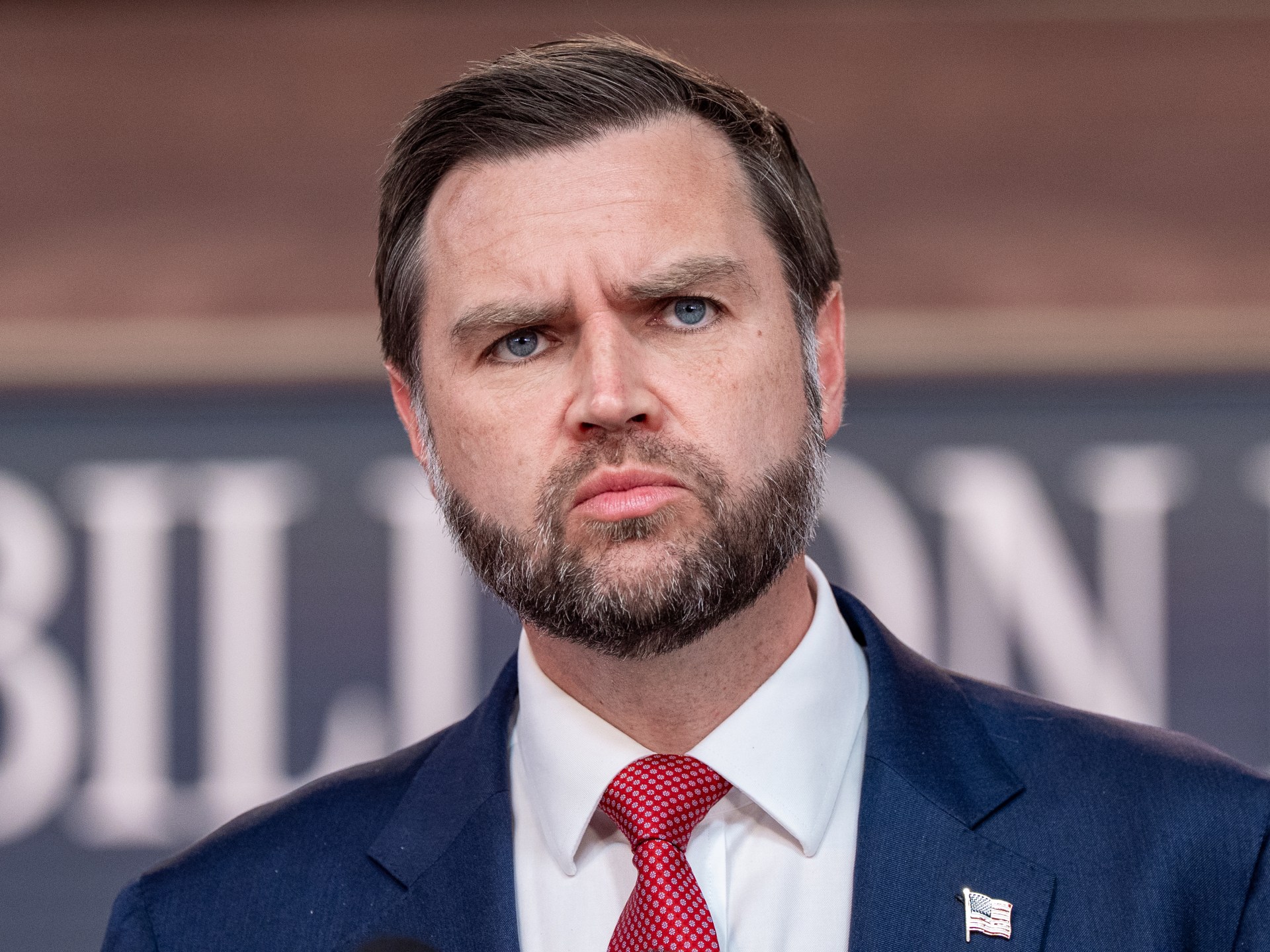
US Vice President Vance’s call for reduced nuclear enrichment suggests room for compromise, but major obstacles remain. Save Share United States Vice President JD Vance has called for Iran to make a “meaningful” reduction in its uranium enrichment capacity as part of an agreement to end the war, a demand experts say may signal a softening of Washington’s earlier insistence that Tehran abandon enrichment altogether. His comments come amid hardline rhetoric from other senior US officials. Secretary of State Marco Rubio has reiterated that Iran cannot have a nuclear weapon, while President Donald Trump has warned the war will end through either “the nice way or the not-so-nice way”. Officials in Tehran, meanwhile, have questioned whether Washington genuinely wants negotiations as the US-Israel war on Iran enters its eighth month. As both sides stake out their positions, Simon Mabon, a professor of international relations at Lancaster University, told Al Jazeera that the prospect of Iran seeking a nuclear weapon has remained remote. Tehran’s negotiators are more concerned with sanctions, frozen Iranian assets, the US naval blockade and fighting across the region – issues he says remain the main obstacles to a deal. Here is what we know. Vance told the Reuters news agency that Iran needed to demonstrate its commitment to not developing nuclear weapons by changing its enrichment programme. “If you don’t want a nuclear weapon, then why do you need 60 percent enriched fuel?” he said. “If you want to show commitment to not building a nuclear weapon, don’t build highly enriched fuel. That’s a very basic threshold issue.” Enriching uranium makes it usable as fuel for nuclear reactors or, at much higher levels, for nuclear weapons. The International Atomic Energy Agency reported that Iran had enriched uranium to 60 percent, below the roughly 90 percent considered weapons-grade. In its May 2025 assessment, it found no credible indications of a structured nuclear programme. Vance added that the US was speaking with Iranian President Masoud Pezeshkian and Foreign Minister Abbas Araghchi, although “it’s not totally clear how their country makes decisions”. Meanwhile, Rubio, speaking to reporters in Athens, accused Iran of missing several opportunities to reach an agreement. “Iran cannot have a nuclear weapon, simple, period, end of story,” he said....