South Sudan’s aid crisis deepens as food stocks run low
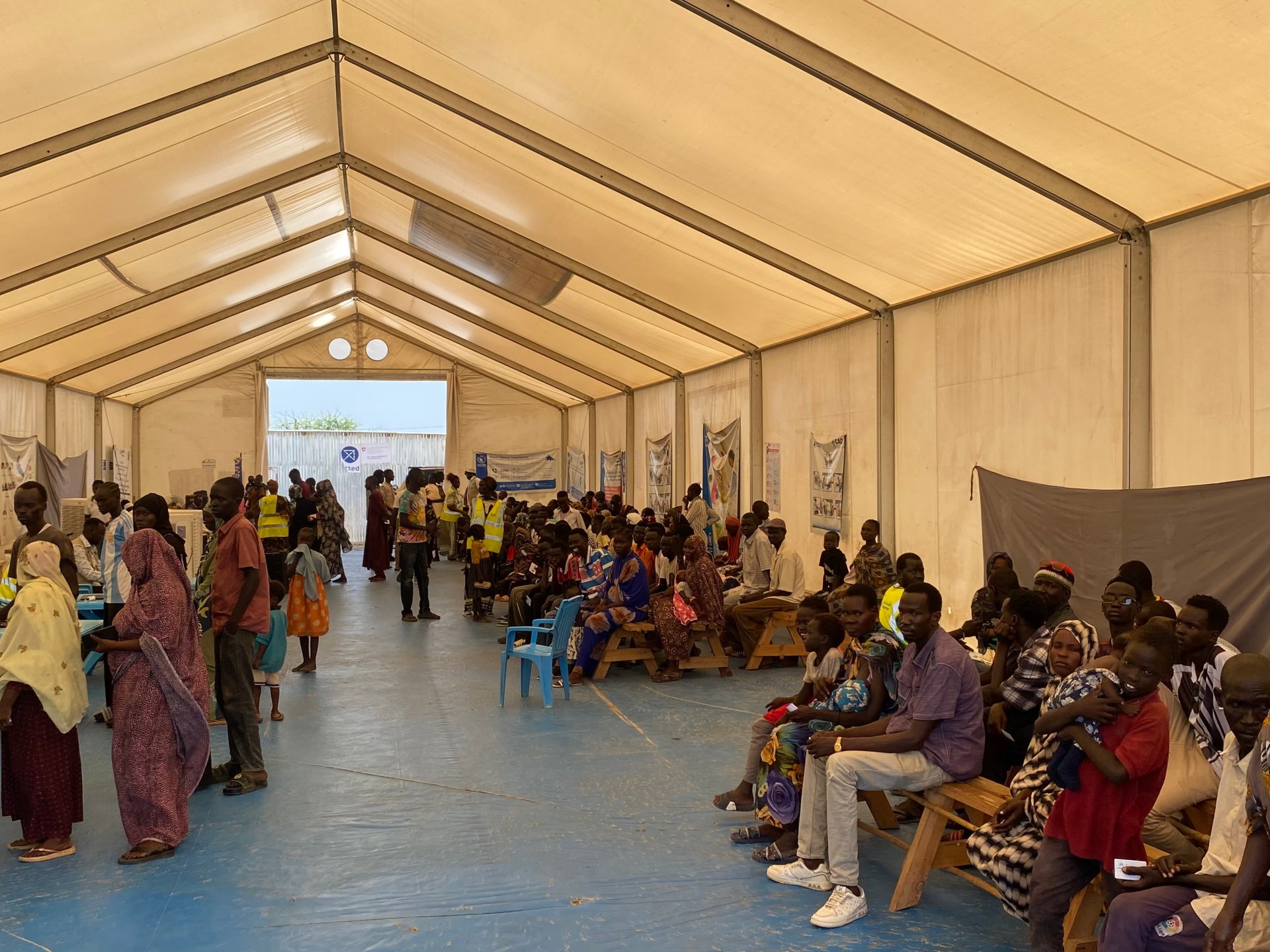
More than one million people could lose life-saving aid by October as funding shrinks and arrivals from Sudan continue. Save Share Renk, South Sudan –The arrivals begin before dawn. Women carry children and plastic bags; men walk with almost nothing. Every week, about 3,000 refugees and returnees cross into South Sudan from Sudan. Many arrive hungry, exhausted and with little or no money. But the food assistance they depend on is also running out. More than one million vulnerable people could lose access to life-saving food and nutrition assistance by October unless additional resources are secured, according to the World Food Programme (WFP). In Malakal, one of the agency’s key logistics hubs in the Upper Nile state, food stocks have fallen from 10,000 metric tonnes at this time last year to less than 300 tonnes now. The drop comes as humanitarian agencies face shrinking resources while needs continue to rise, WFP says. WFP assistant executive director Matthew Hollingworth visited Renk and Malakal in Upper Nile and Pigi county in Jonglei state this month, where he witnessed firsthand the pressures facing communities already struggling with conflict, displacement, hunger and climate shocks. Hollingworth told Al Jazeera that the war in Sudan had driven up prices and put additional pressure on a country already stretched by the influx of refugees. “The war in Sudan has been catastrophic for the north of this country. Prices have gone so much higher due to the complexity of importing goods from Sudan,” he said. “Moreover, the influx of refugees [comes] to a country that is really stretched when it comes to helping them.” In Renk, Hollingworth saw the effects of drought alongside areas still affected by flooding. “It all comes at the time when the international community has a lot less to give, and we don’t have the same resources we used to have,” he told Al Jazeera. “On the other side, the government of South Sudan has to consider the issue of illegal checkpoints that prevent us from being able to get everywhere. We need to reach vulnerable people across the country.” Peter Maker, a displaced person in Pigi, said insecurity and the arrival of people displaced from other areas had made it difficult to farm or find work. “We face major challenges due to national insecurity and an influx of people from other areas. Our main issues are insecurity and lack of access to farmland,” he told Al Jazeera....