Amid protests, Kosovo’s political deadlock raises prospect of new elections
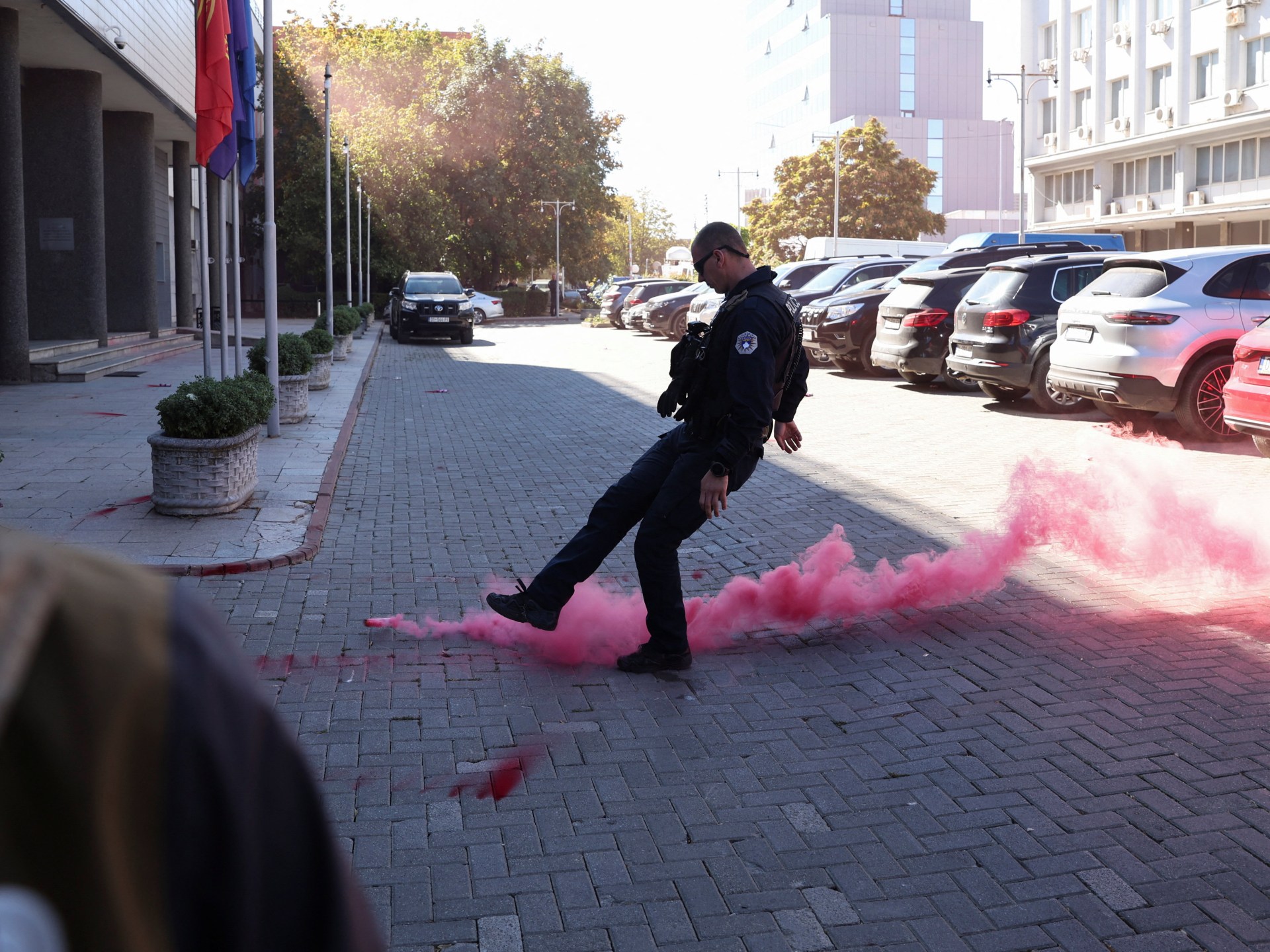
Kosovo faces mounting tensions as protests against former rebel leaders’ convictions coincide with the prospect of new elections. Save Share Kosovo faces the risk of turmoil as protests against the convictions of former Kosovo Liberation Army (KLA) leaders coincide with a midnight deadline to elect a president. Demonstrators have called for changes to the law governing the Hague-based Kosovo Specialist Chambers, including measures affecting prison terms and where convicted people serve their sentences. The protests follow the September 16 convictions of former KLA leaders, including former President Hashim Thaci. The protesters’ demands have become entangled with negotiations over the presidency, raising the prospect of new elections if lawmakers fail to reach an agreement. November 15 has emerged as a likely date for a new vote. “New elections do not, in themselves, promise anything particularly positive,” political analyst Artan Muhaxhiri told Al Jazeera. “The chances of a radical political change are slim.” He said that if a president is not elected by midnight, a new vote will take place in a tense political climate. Anger over the verdicts will become a central campaign issue, he said, “overshadowing fundamental questions of socioeconomic development, and deepening the country’s downward spiral of systemic instability”. In 2015, the Specialist Chambers were established under Kosovo law following international investigations into alleged war crimes committed by KLA members during and after the 1998-99 conflict. Although formally part of Kosovo’s judicial system, the court sits in The Hague. It remains contentious in Kosovo because the KLA is widely revered for having fought against Serbian rule. In September, protests erupted after the court sentenced Thaci to 25 years in prison. Later, the opposition Democratic Party of Kosovo (PDK) – formerly led by Thaci – proposed amendments aimed at curbing the tribunal. The plan included capping prison sentences at 15 years, allowing convicts to serve their sentences in Kosovo, enabling appeals before Kosovo’s Supreme Court, granting presidential pardons and narrowing the court’s temporal jurisdiction. On October 2, 2026, Prime Minister Albi Kurti’s government concluded that there were no legal obstacles to the PDK initiative and forwarded its assessment to the parliament, the Assembly of Kosovo....