What new measures is Iran taking to counter US economic pressure?
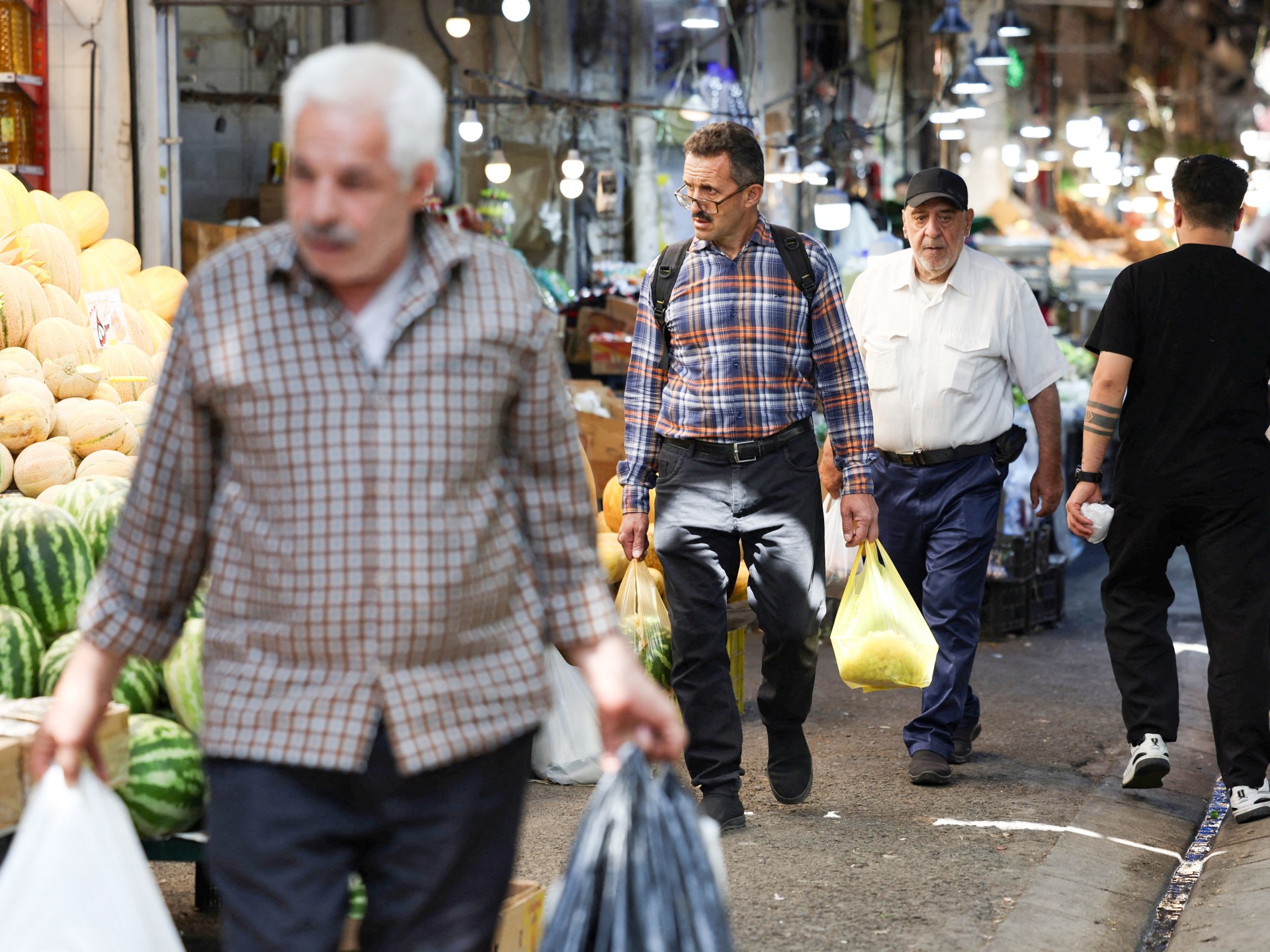
President Pezeshkian is spearheading a new coordinated effort to reduce the strain on Iranians. Save Share The Iranian government seeking to reduce the severe financial pressure on its populace from the United States’s siege and sanctions on the country. President Masoud Pezeshkian recently discussed measures with several cabinet members to ameliorate the economic effects of the US-Israeli war on Iran, including the depreciation of the Iranian lira and the cost-of-living crisis. “The enemy’s plan in recent months has been to cut off the country’s vital arteries with the aim of pressuring the noble people of Iran,” Pezeshkian said on social media, Though full details of the government response are not known, the scope of the meeting and Pezeshkian’s subsequent comments give some insights into these policies. Here’s what we know. Iran’s economic situation has deteriorated sharply since the war started on February 28, with US and Israeli strikes killing top Iranian political and military figures. US-Israeli bombing since then has inflicted an estimated$270bn in damages on the country. The situation worsened further after the USlaunchedOperation Economic Outcast in late August, seeking to totally isolate the country from international trade. Iran’s gross domestic product (GDP) has contracted by10 percentwith the collapse in energy exports due to the US naval blockade. The Iranian rial has in turn sunk to record lows. Iran has made the lifting of the blockade a key demand in negotiations with the US aboutreopening of the Strait of Hormuz. Maryam Ashrafi from the Bourse and Bazaar Foundation, a London-based think tank, told Al Jazeera that the economic situation has deteriorated for Iranian consumers, particularly in higher food prices. In turn, Iranians are “increasingly turn[ing] to cheaper, inferior goods”. Shortages of raw materials used in the production of some staples, such as margarine, have also affected prices. Imports of wheat and grains have also declined due to the US naval blockade on Iran’s southern ports. “Large bulk carriers serving … [these] can carry upwards of 80,000 tonnes of agricultural commodities,” she told al Jazeera. Some ships using the alternative route of the Caspian Sea ports, which are not under the embargo, have loads of only 7,200 tonnes, she said. Trucks using land routes are limited to about 20 tonnes per vehicle. Increases in the price of packaging has also left businesses facing supply chain disruptions.